
Every serious restoration begins the same way: not with the glamour, but with an honest look at exactly what you are dealing with. This one began half a world away, in the high desert of Idaho, where a 1976 Datsun 280Z had sat through forty years of sun and dry air. It is a complete, original survivor — and now it has crossed the Atlantic to become a bespoke build. This is Part 1 of that journey: the arrival, the complete strip-down, and the media blasting that finally tells the truth about the metal.
"Paint and filler can hide decades of history. Bare metal can't."
Why the Shell Gets BlastedThe Car From Idaho
The 280Z came out of Idaho — high-desert country, dry air, the kind of climate that treats old steel more kindly than most. The first photographs show it exactly as it sat: a metallic blue-grey S30 against a steel barn, wearing an Idaho Famous Potatoes plate and four decades of sun. The paint had gone chalky and thin, flaking to primer across the hood, but the shape underneath was all there — the long nose, the fastback roofline, the frameless glass that made the Z a design landmark.
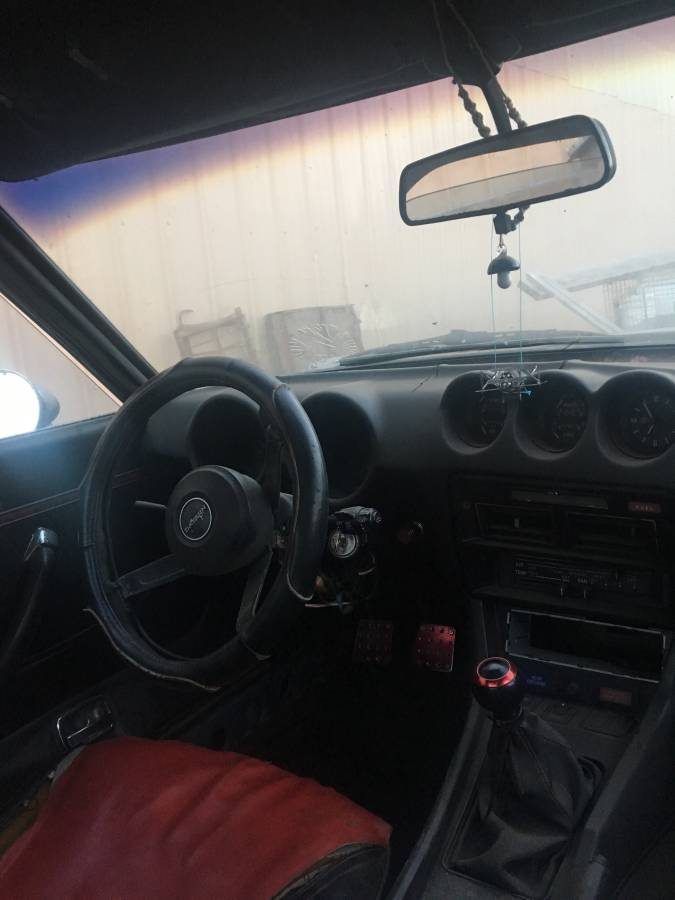
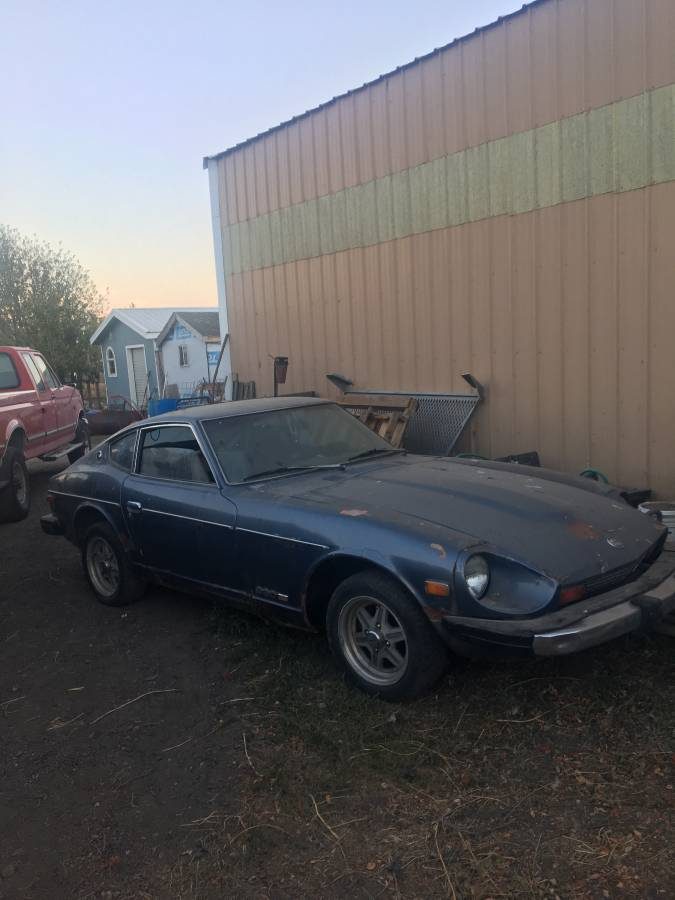
What matters at this stage is reading past the grime to the things that count. Is it complete? Is it straight? Is the rust repairable, or the kind you run from? On this one, the signs were good: complete bumpers, intact glass, the original engine in place, and a body that had clearly never been hit hard. For a car worth importing across an ocean, that honesty mattered more than shine.
- A dry-state Idaho car — kinder to old steel than most climates
- Complete and original, down to the engine and glass
- Straight body, never heavily damaged — an honest restoration base
Shipping a Datsun From the USA to Europe
Bringing a classic from the American West to a European workshop is a smooth, well-worn process. The car went overland to the coast, was containerised and shipped out through Los Angeles, and made the Atlantic crossing to Bremerhaven — Germany's great car port, where millions of vehicles move through every year. From the dock it was loaded onto a flatbed and delivered inland to the workshop, frictionless from door to door. Importing a car from the USA to Germany is routine when it is handled properly, and this 280Z arrived ready for work to begin.
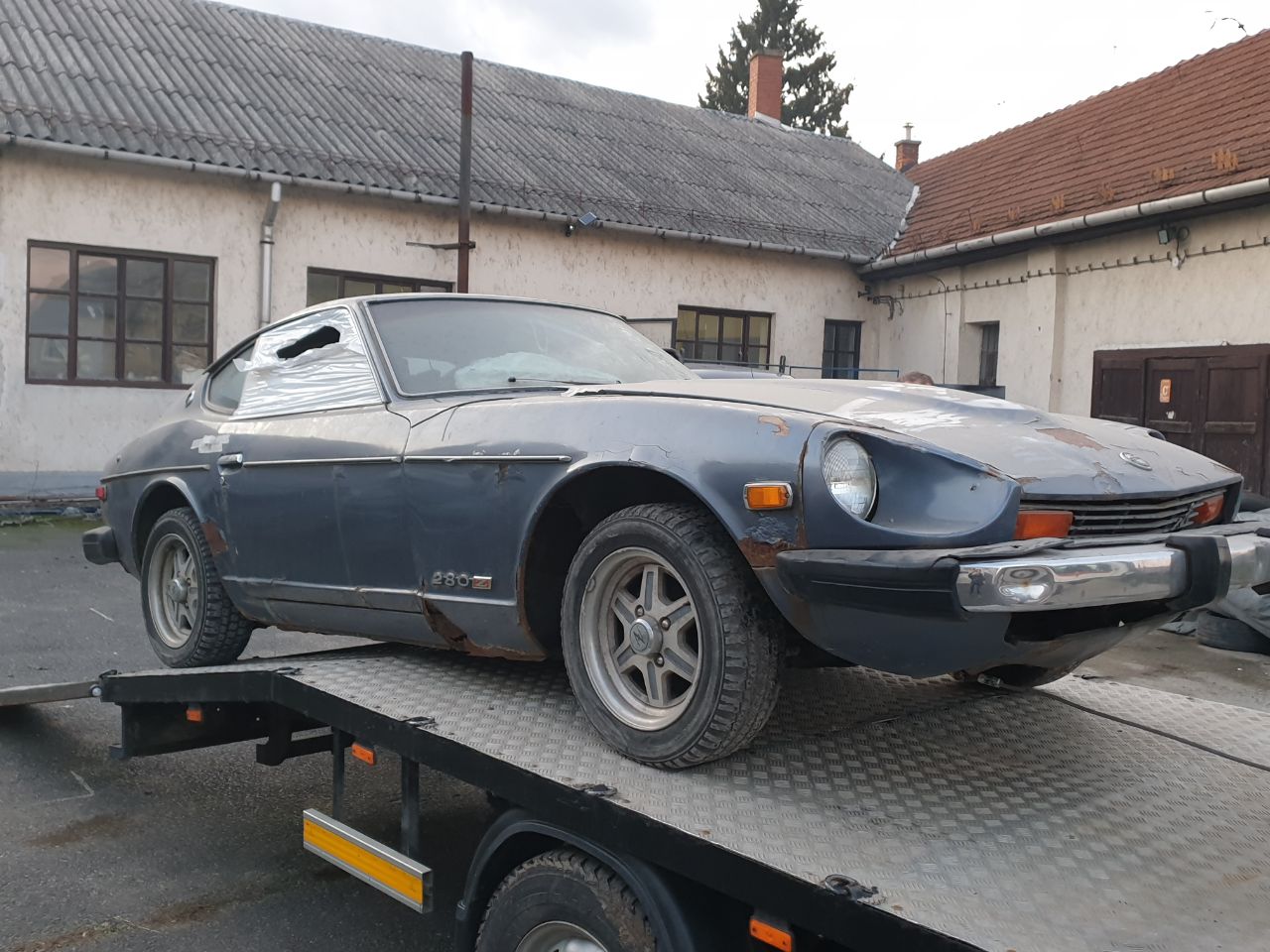
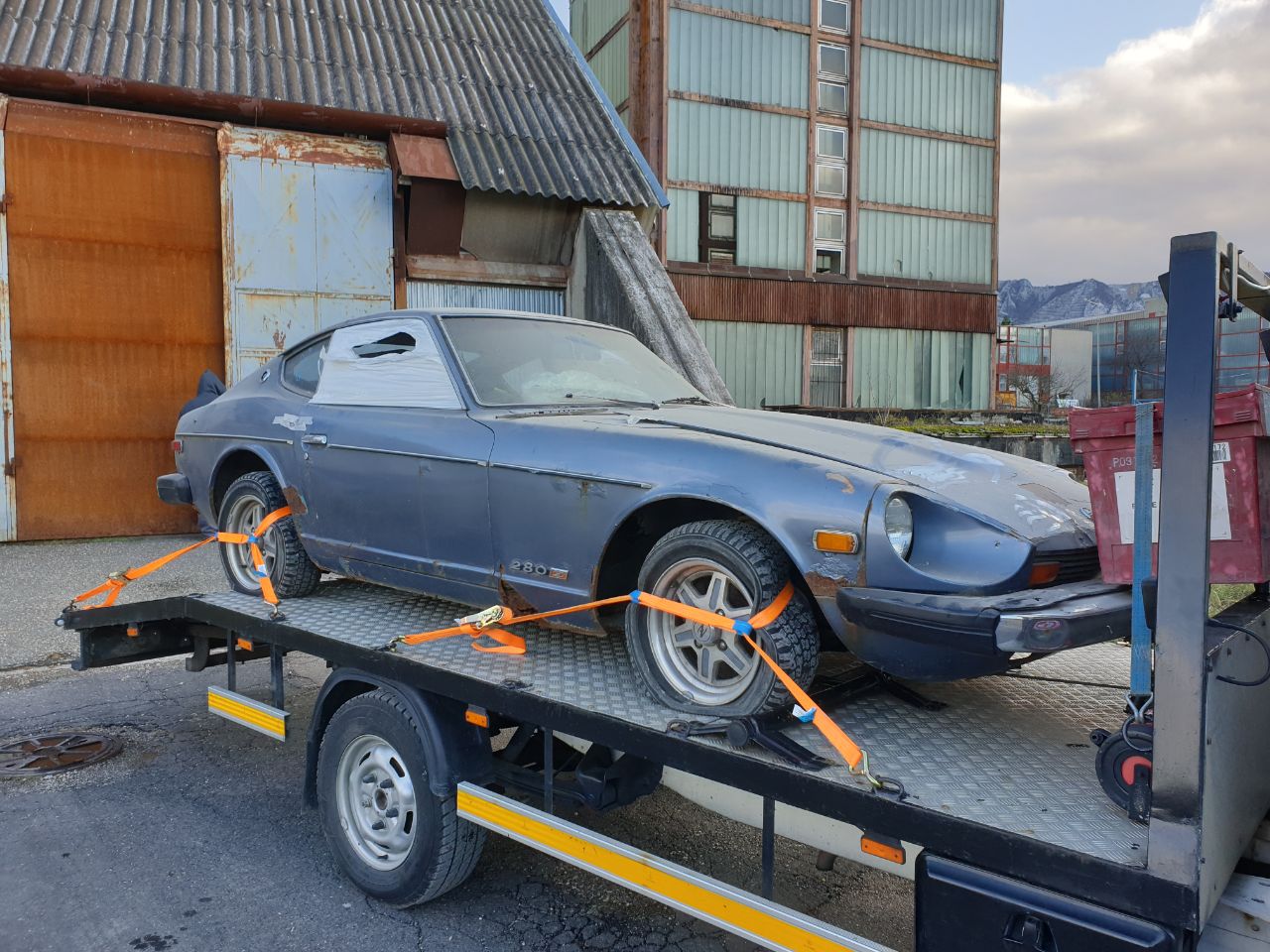
There is always a satisfying moment when a car like this is unstrapped for the first time on European soil. It looks smaller and older in the daylight of a working yard — and, at the same time, full of promise. This is where the project stopped being an idea and became a real object with a job to do.
- Shipped from Idaho via Los Angeles, across the Atlantic to Bremerhaven
- A routine, frictionless USA-to-Europe import when handled properly
- Delivered by flatbed straight to the restoration workshop in Germany
The L28 Straight-Six, As It Arrived
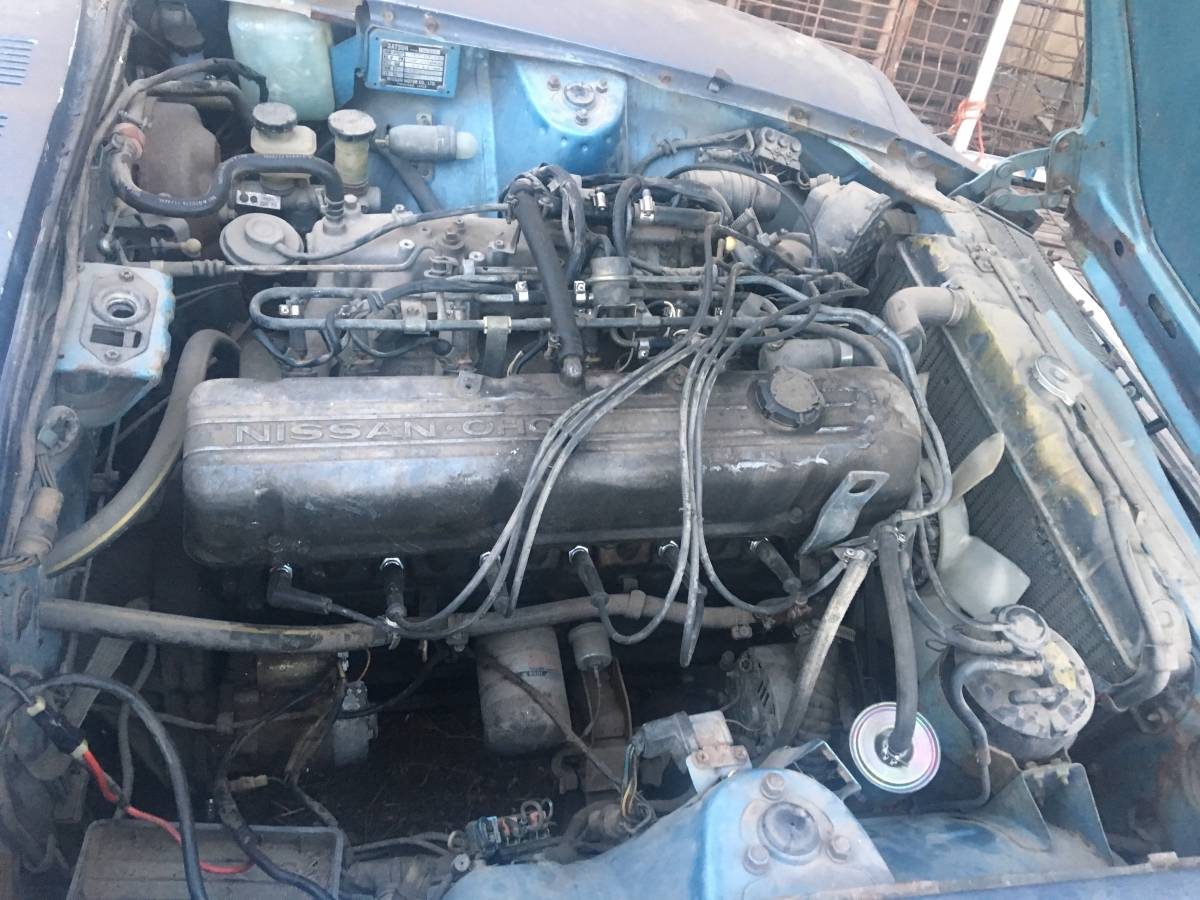
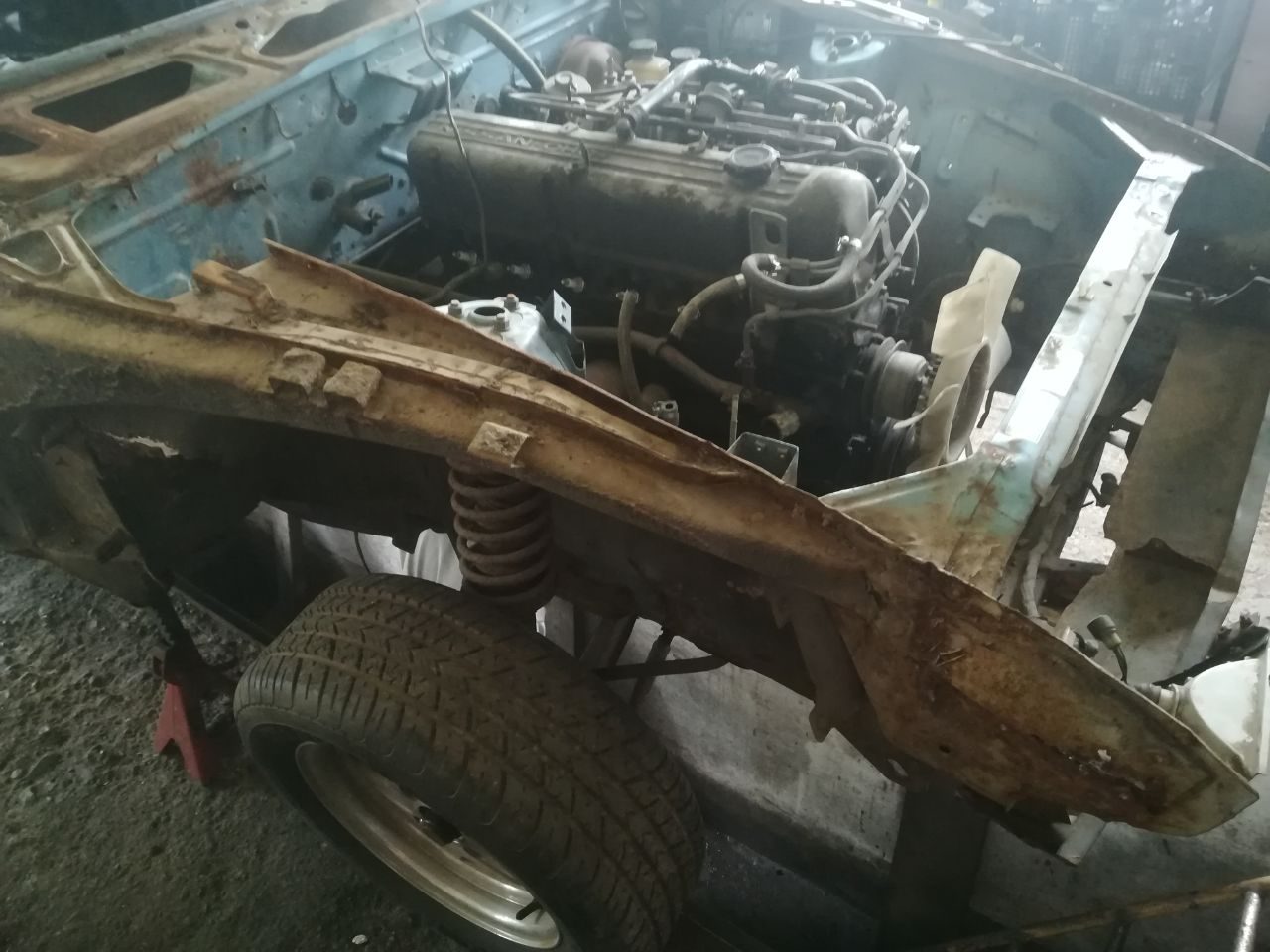
Lift the hood and the reason the 280Z still has such a following sits right there: the L28, Datsun's 2.8-litre inline-six with Bosch L-Jetronic fuel injection. Tough, simple, deeply tuneable — the heart of the S30's reputation. On this car it was complete and untouched: dusty and tired, but wearing its original NISSAN OHC cam cover and factory injection hardware, the way an honest survivor should. The engine's own rebuild is a later chapter — but finding it complete shaped the whole project. This car can keep its own heart.
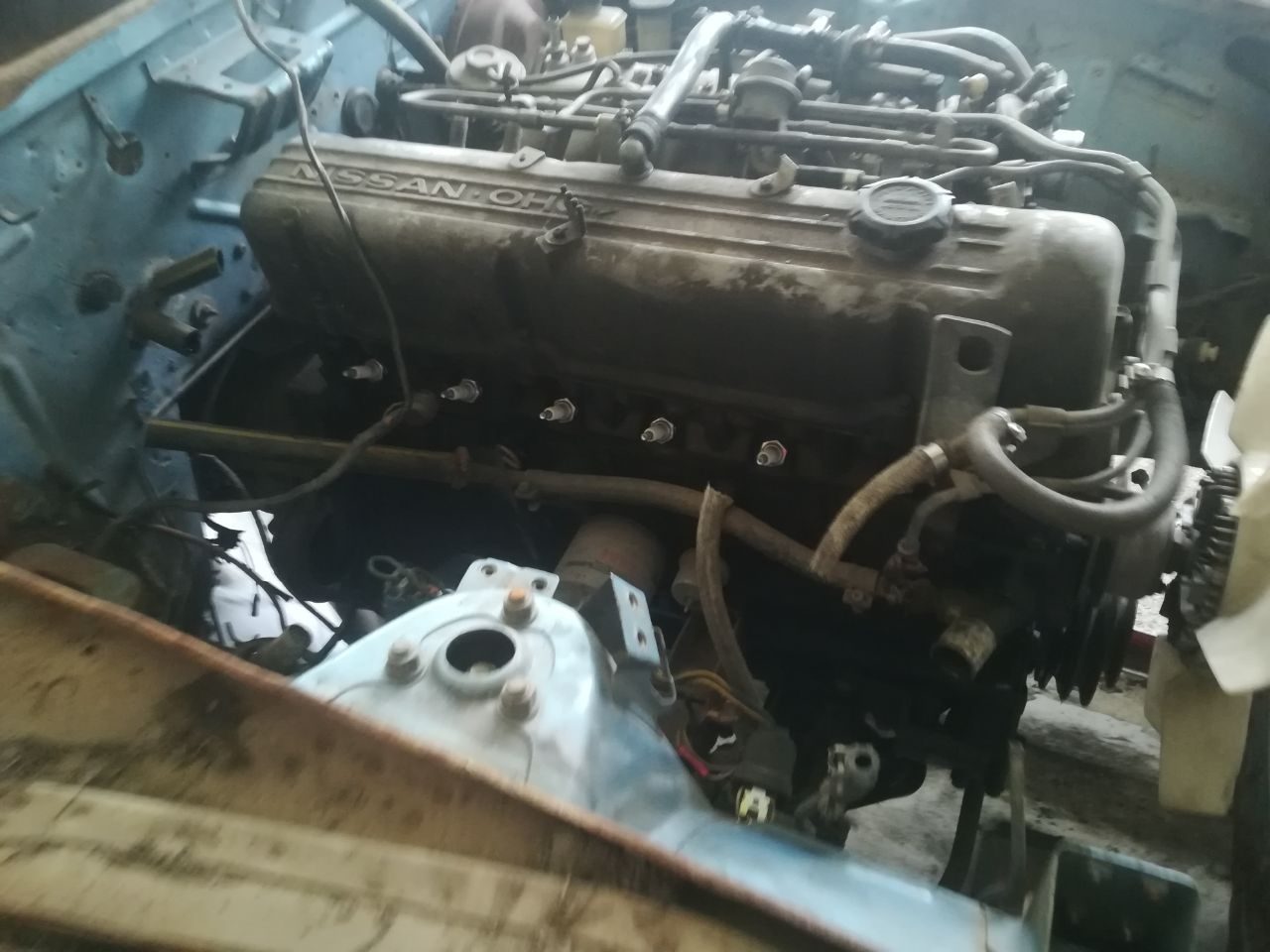
- Original L28 2.8-litre inline-six, complete and in place
- Factory Bosch L-Jetronic fuel injection and NISSAN OHC cam cover
- The car keeps its own heart — engine rebuild comes in a later chapter
The Strip-Down Begins
With the car assessed, the teardown starts in earnest. A proper restoration means the car comes apart completely — trim, glass, lights, bumpers, the entire interior, the wiring loom, the doors, the wings, and finally the drivetrain. The guiding rule of this build is simple: every part is catalogued as it comes off, and everything that can be repaired is repaired. Nothing is thrown in a box and forgotten. Each piece is logged, bagged and set aside so it can be restored, refurbished or — only where it truly must be — replaced.
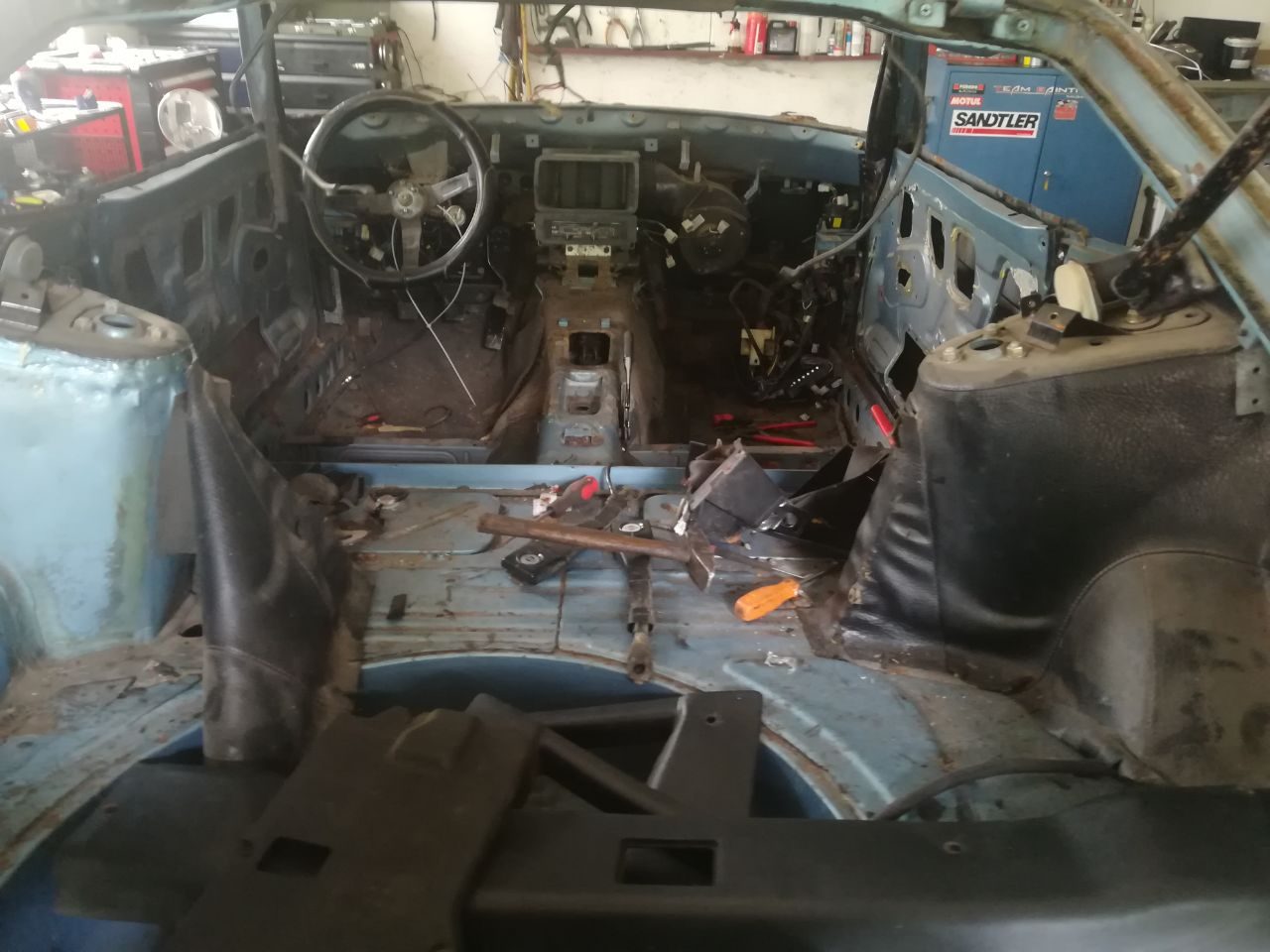
Inside, the whole cabin was pulled back to the shell: dashboard out, gauges and switchgear catalogued, the wiring loom carefully unpicked and labelled, carpets and underlay lifted to see the floors underneath. Doors were stripped to bare skins, their mechanisms bagged and logged. This is slow, unglamorous work — and it is exactly where a restoration is either done properly or stored up as trouble for later.
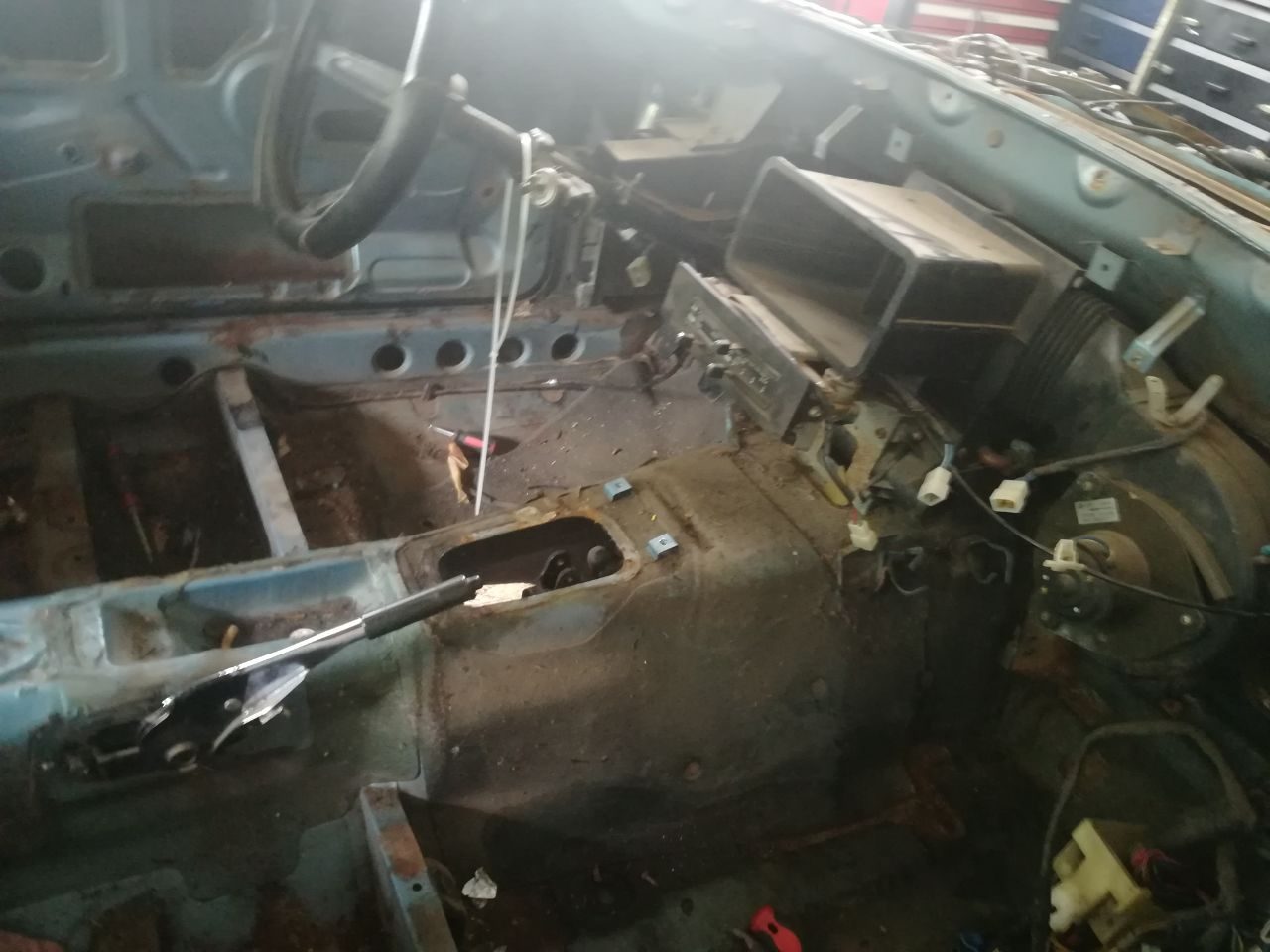
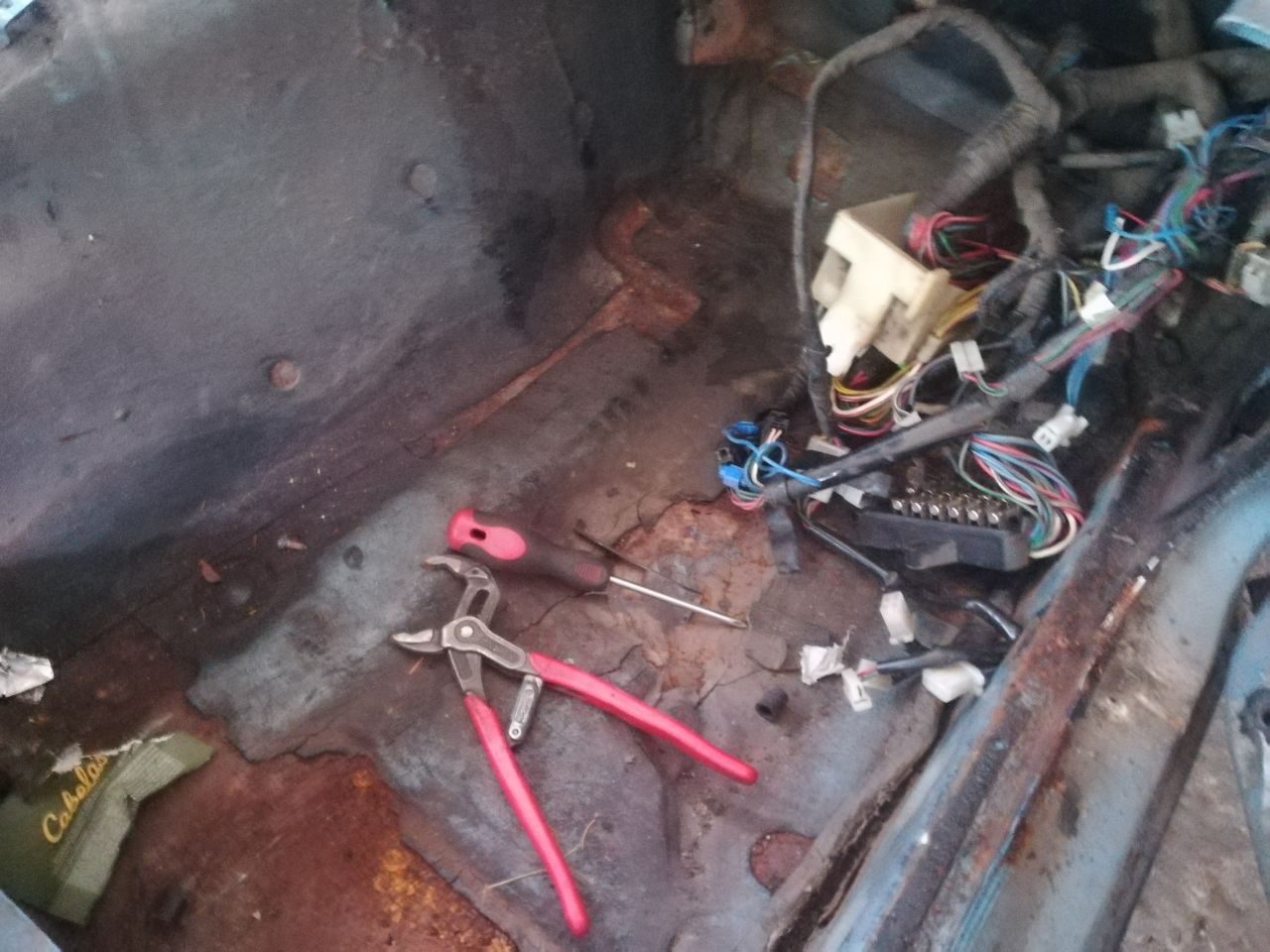
The engine was removed and sent to dedicated engine specialists, where it waits for the decisions made later about how the finished car should drive. Every panel, bracket and fastener was logged as it came away, so that when the rebuild begins nothing is missing and nothing is guessed at.
- Every part catalogued as it comes off — and everything repairable is repaired
- Wiring loom unpicked, labelled and retained
- Doors stripped to bare shells; glass and mechanisms bagged
- Engine removed and sent to dedicated specialists
The Rust Reckoning
Here is where we tell the truth, because a restoration story that only shows the pretty parts is worthless to anyone actually doing the work. The 280Z is famous for rust, and once the panels came off, this car showed its share. The S30 body holds moisture in its floors, frame rails, battery tray, front fenders and the seams ahead of the rear wheels — and with the wings removed, surface rust was clearly apparent right across the chassis rails and inner structure, the scaly orange bloom that comes from decades of damp and time.
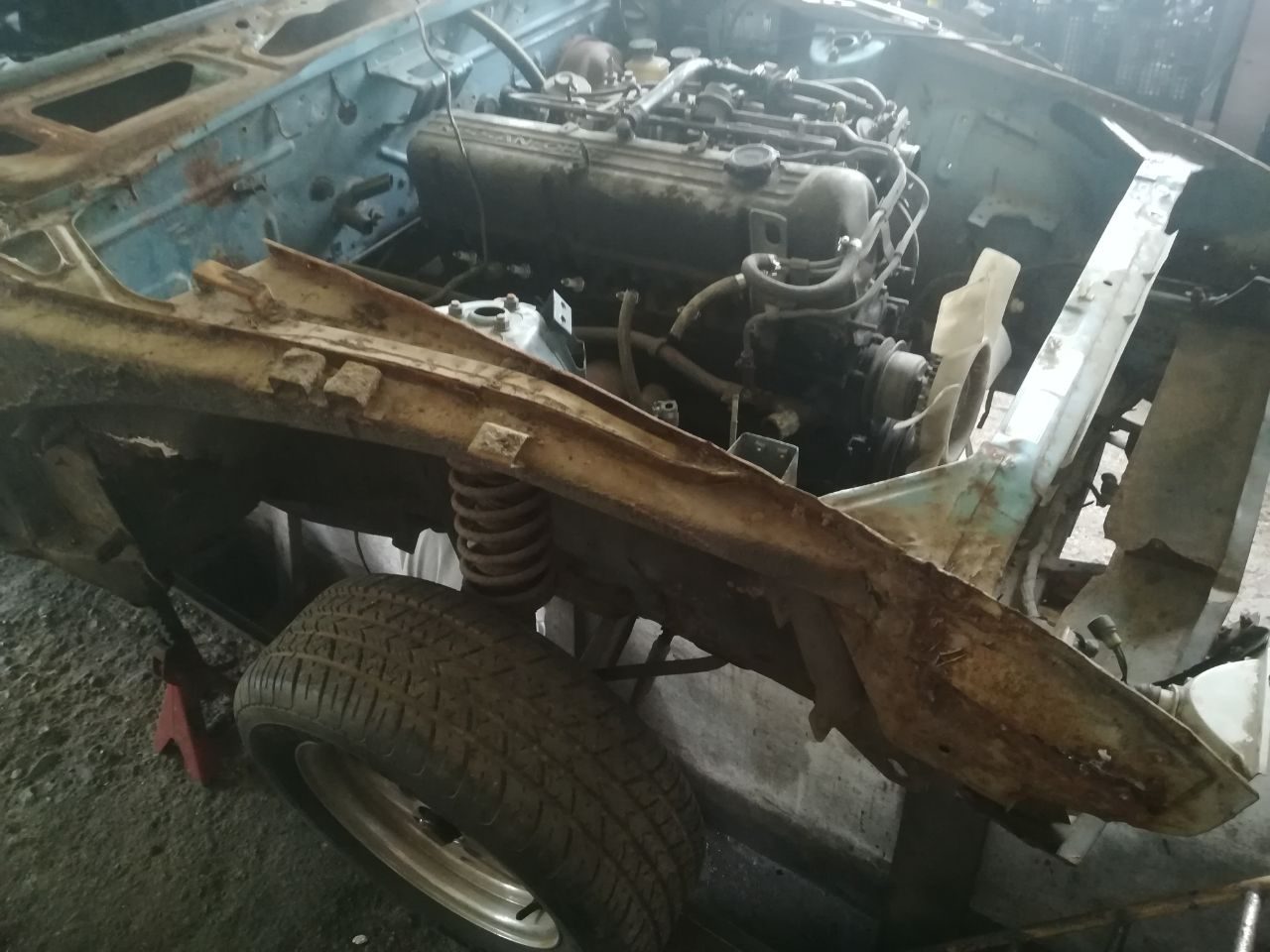
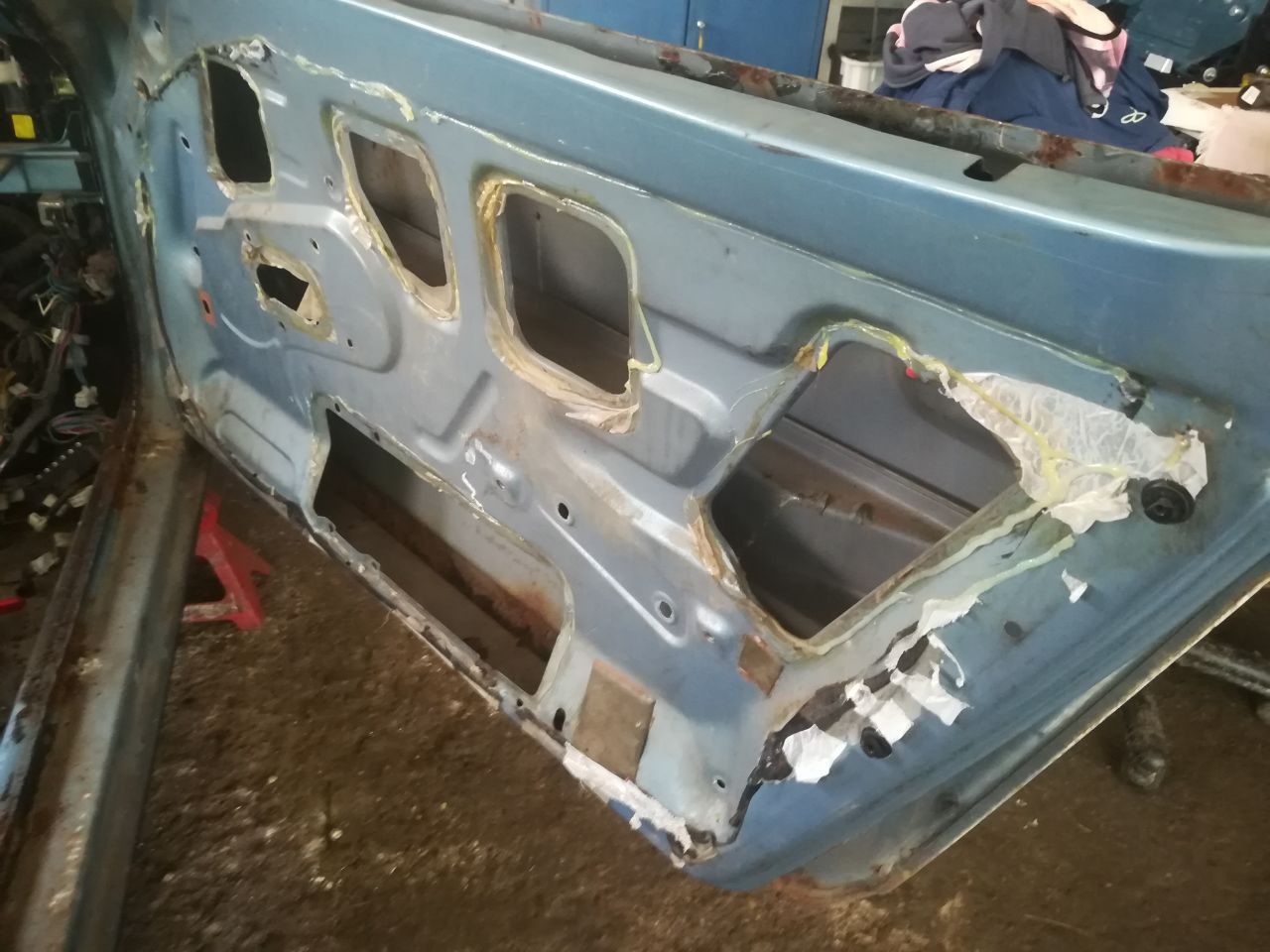
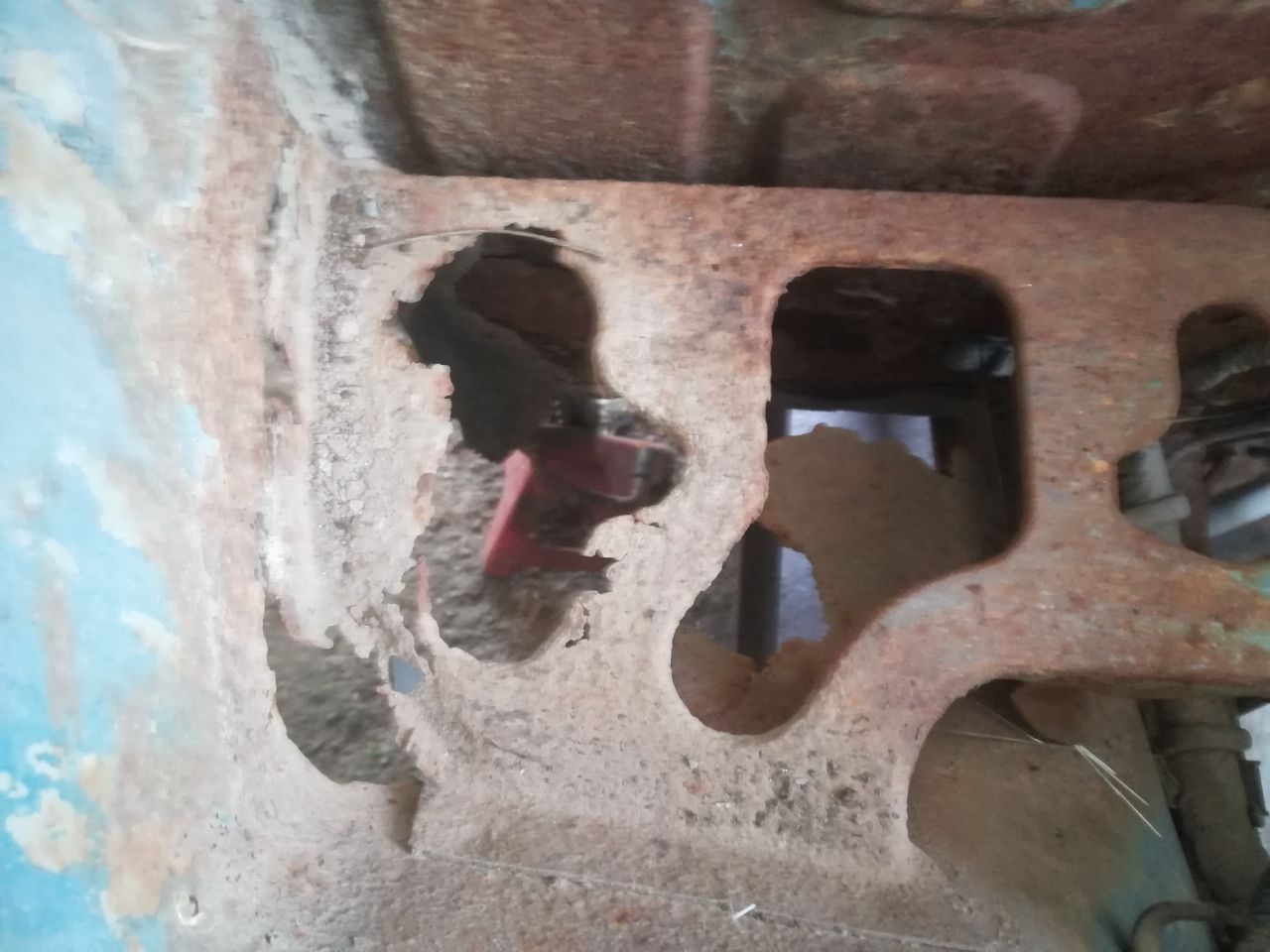
Most of it is surface rust — the kind that blasting and proper treatment will deal with. But not all of it. In places the corrosion had gone right through the metal, leaving holes where solid structure should be. This is the honest answer to the only question that matters on any S30: how deep does it go?
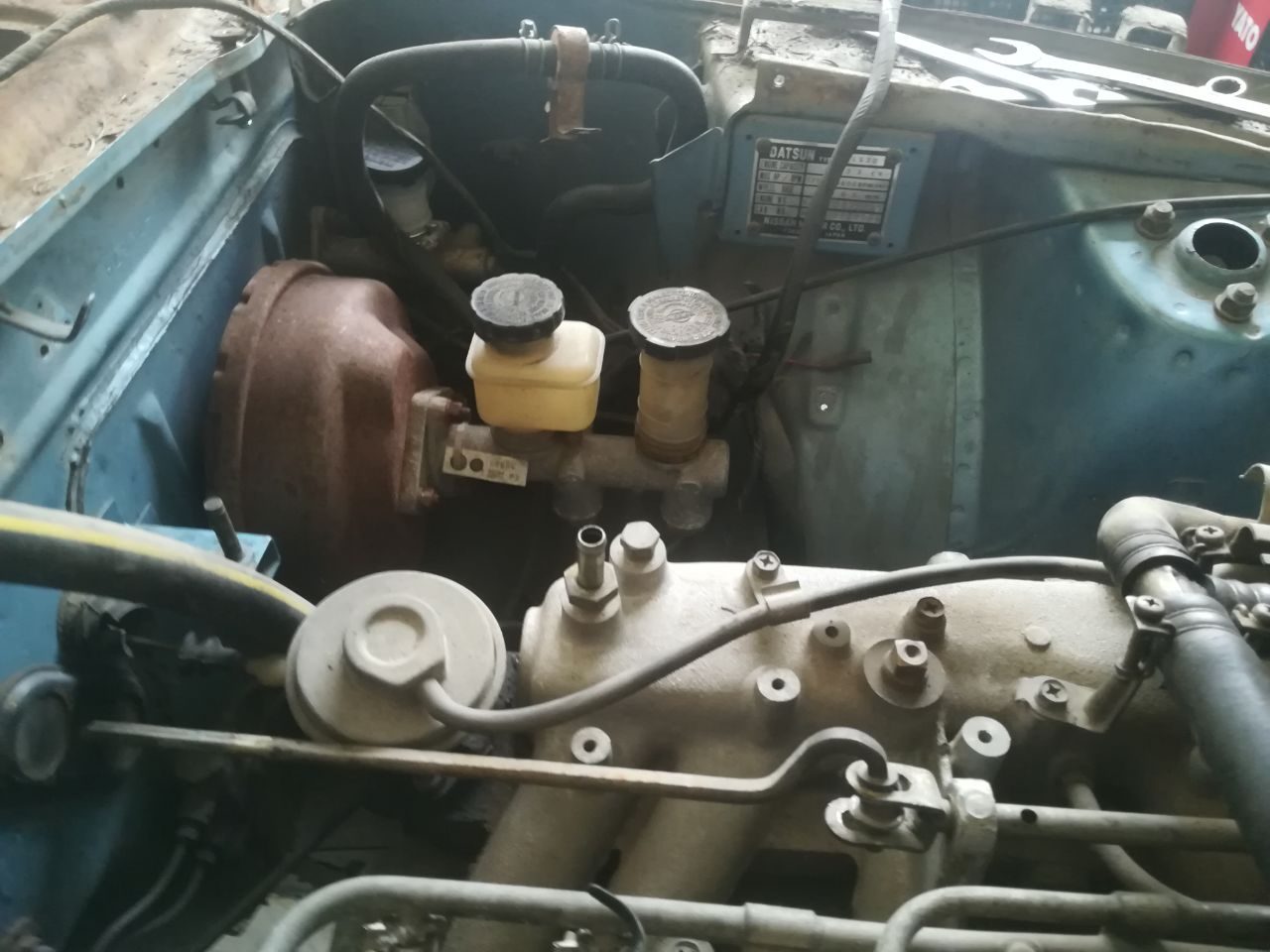
None of this is fatal, but none of it can be hidden either. It is precisely why a car like this needs a proper restoration rather than a quick tidy-up — the rot cut out and new metal welded in, never covered over for the next owner to find. And paint and filler can only be trusted so far. To know the true, total extent of the corrosion, the shell has to go back to bare metal.
- Surface rust across the chassis rails, inner structure and floors
- Some corrosion had gone right through the metal, leaving holes
- The honest answer to the S30 question — how deep does it go?
Media Blasting to Bare Metal
The stripped shell went off for media blasting, and this is where a Datsun 280Z finally tells the whole truth. Blasting drives an abrasive against every surface, lifting away all the paint, filler and surface rust until nothing is left but bare steel. Only once the shell came back could the true extent of the corrosion be seen, measured and discussed — and this car had plenty to show. What the paint had been quietly hiding for forty years was suddenly, brutally clear.
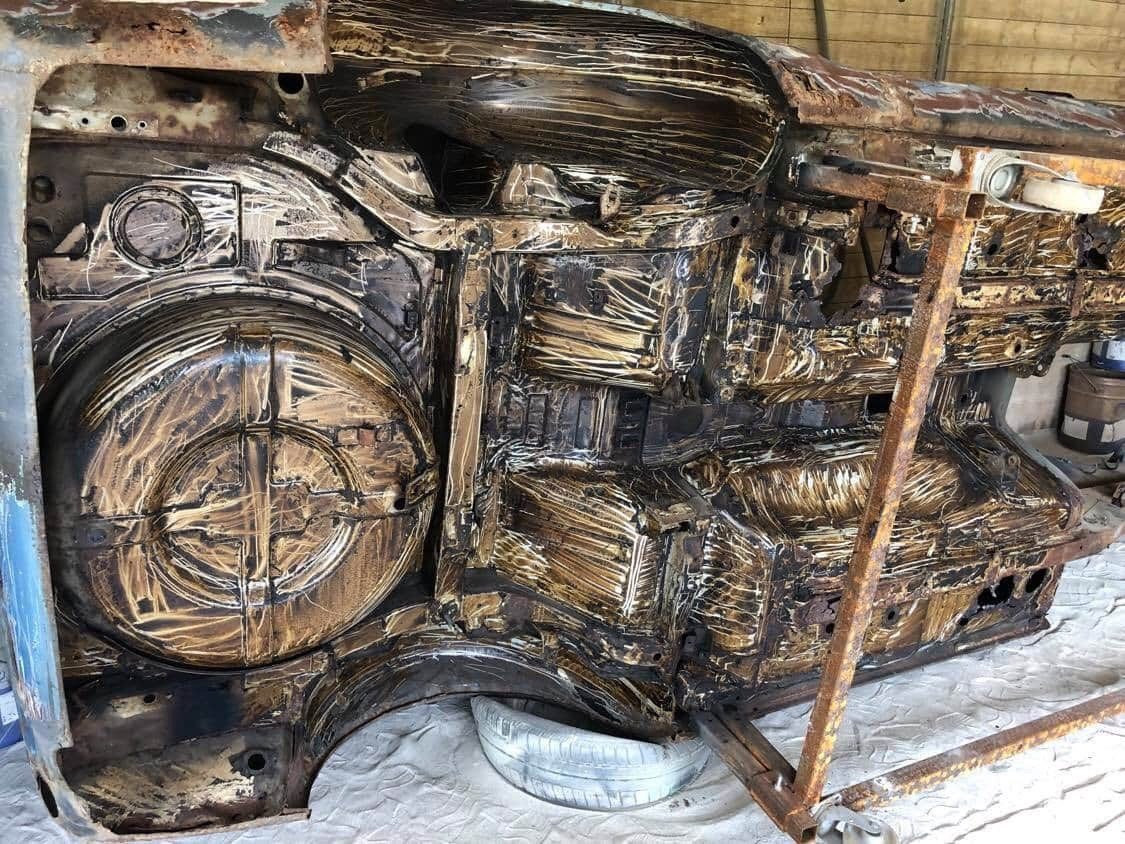
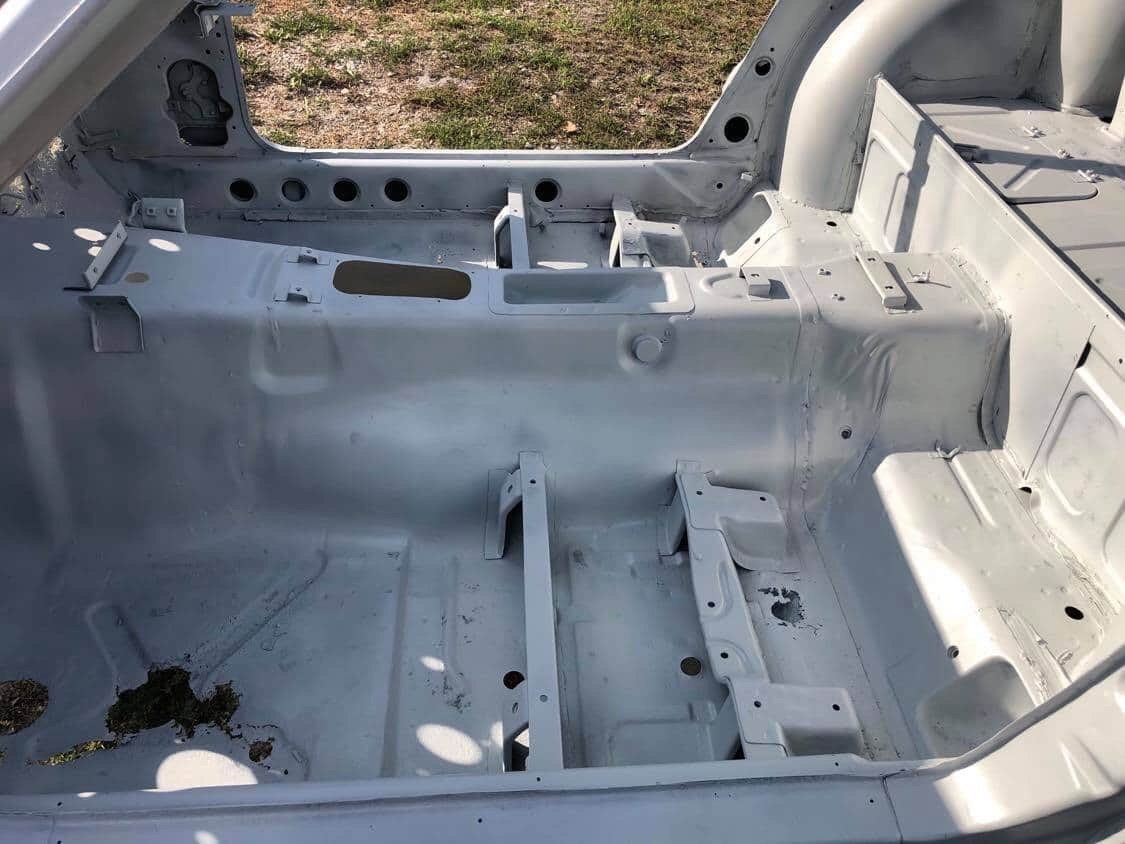
It is a genuinely unpredictable moment — the one part of any classic Z restoration that cannot be quoted in advance, only discovered. Blasting is honest in a way nothing else is: every seam, every box section, every hidden corner is laid bare at once. On this shell it confirmed what the strip-down had hinted at, and found more besides — the price of admission for a car worth saving.
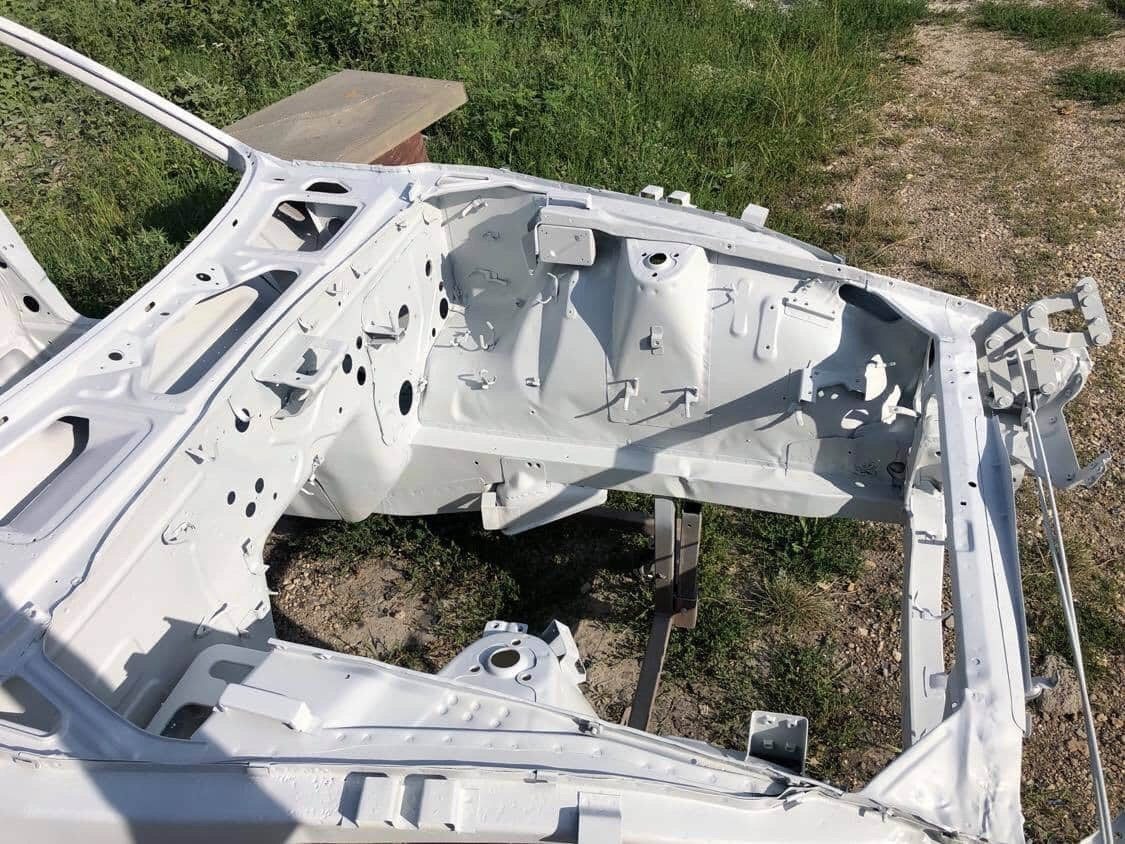
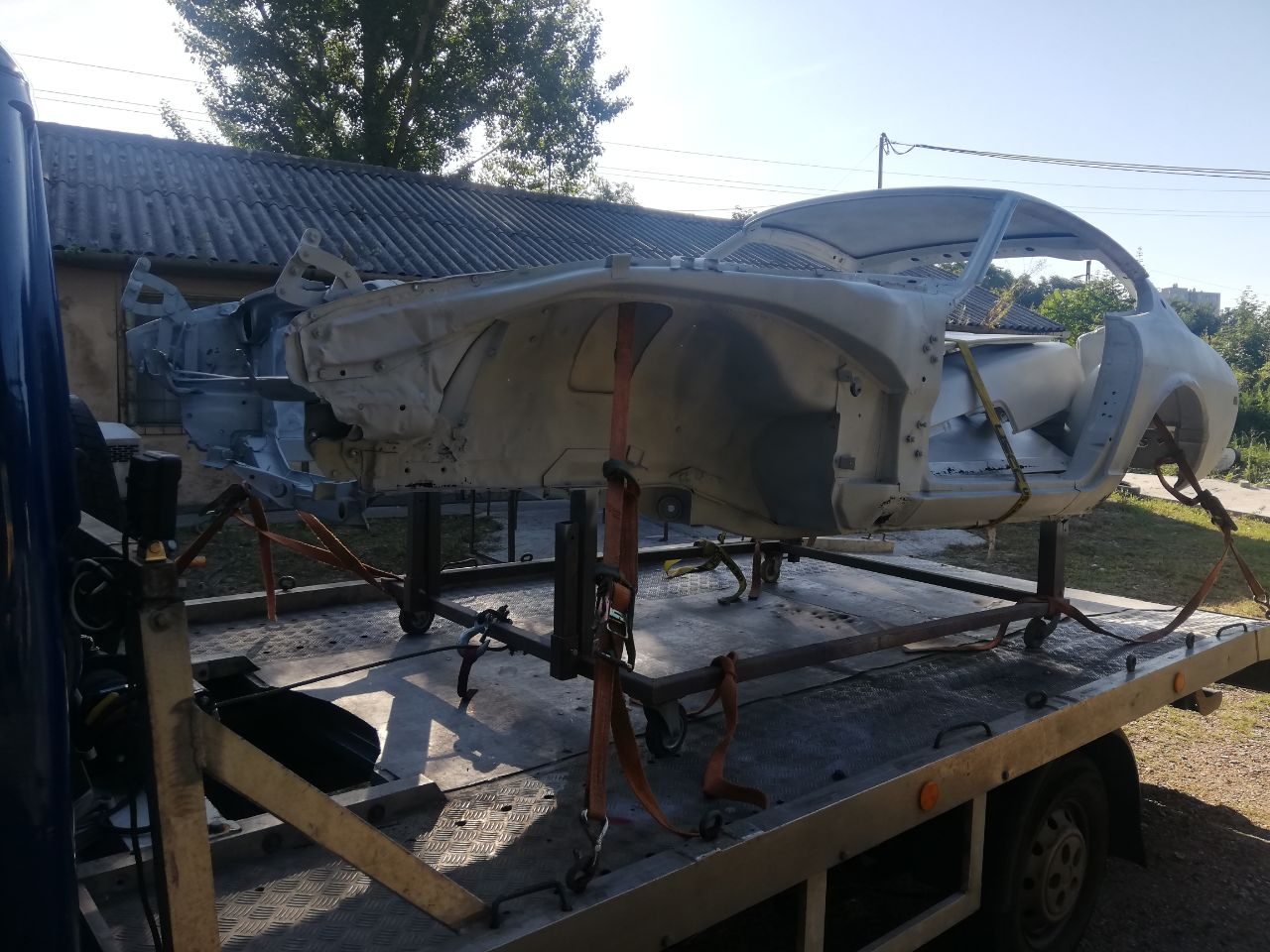
"You don't restore the car you wish you'd found. You restore the one on the trailer — honestly, from the metal up."
The Rule Of Every BuildWith the shell back to bare metal, the true, total scope of the restoration was finally known — and then the hard part began.
- Whole shell media blasted back to clean, bare steel
- Inner structure, wheel tubs and underside all stripped and inspected
- The full extent of the rust finally exposed and measured
Rust Repair & Metalwork
This is the heart of an S30 restoration, and the reason it takes real skill rather than just time. Here is the fact that governs everything: almost no replacement panels are made new for the Datsun 280Z. You cannot simply order a fresh quarter or floor and bolt the problem away. So the emphasis fell where it should — on saving and restoring every original panel, cutting out only the rot and letting fresh steel into exactly the areas that needed it, so the car keeps as much of its own metal as possible.
The work was methodical and went right around the car. The floor pans were replaced where corrosion had taken them, fresh steel welded in across the cabin floor. The rear quarters were cut out and repaired, new lower sections shaped and let into the original panels rather than replacing them wholesale. Rust that wasn't visible from outside — hidden inside box sections and inner structure — was found and cut out too, because covering it would only betray the next owner.
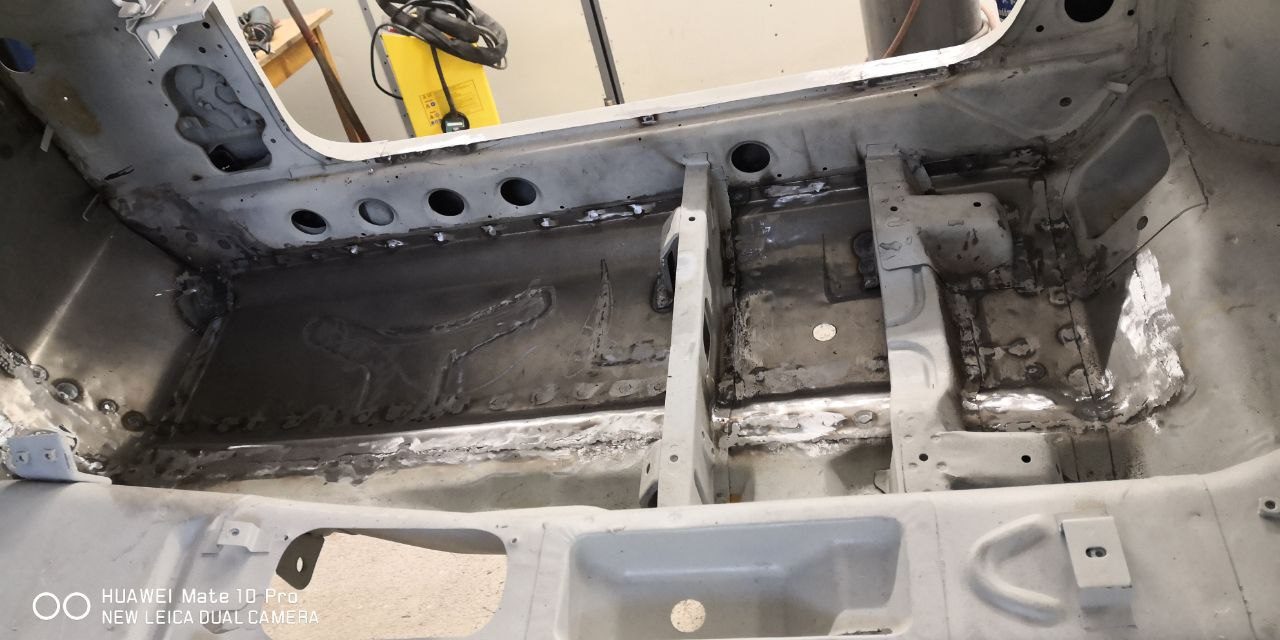
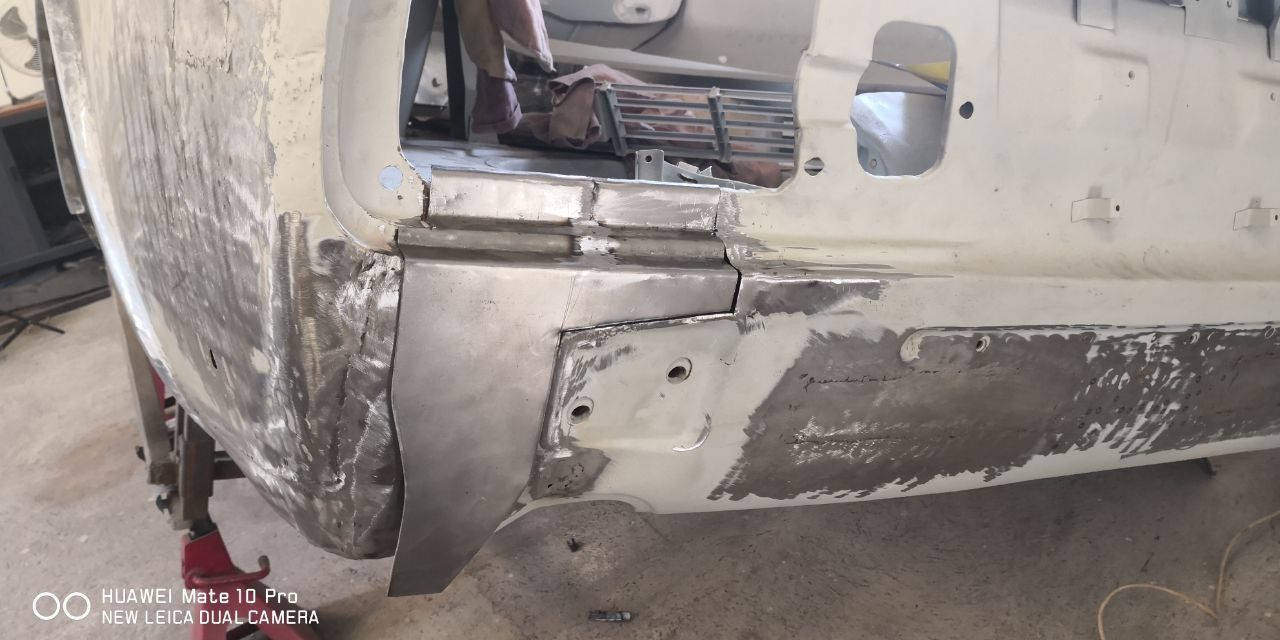
The lower door frames, a notorious S30 rot spot, had their corrosion cut away and replaced. The rocker panels were opened up, the rust repaired inside where it hides, then closed and covered so the sills are solid from within rather than skinned over. The rear valance was restored rather than binned, and throughout, structural integrity came first: the chassis legs were strengthened and the whole front end carefully reviewed, with every piece of corroded metal replaced.
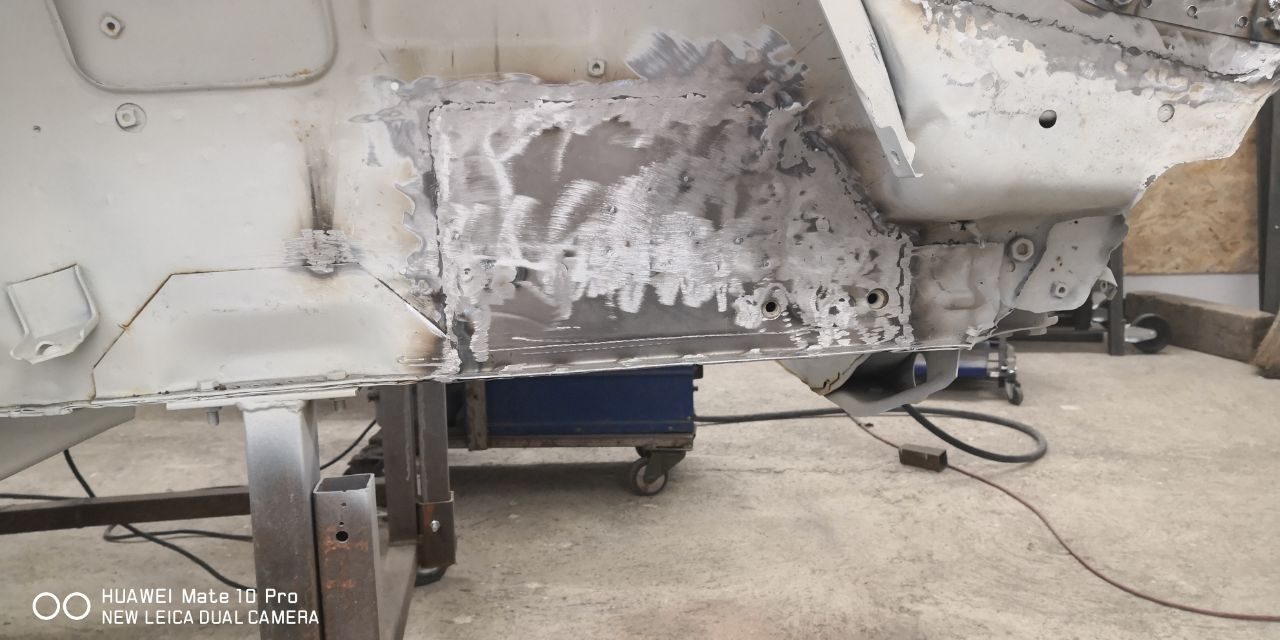
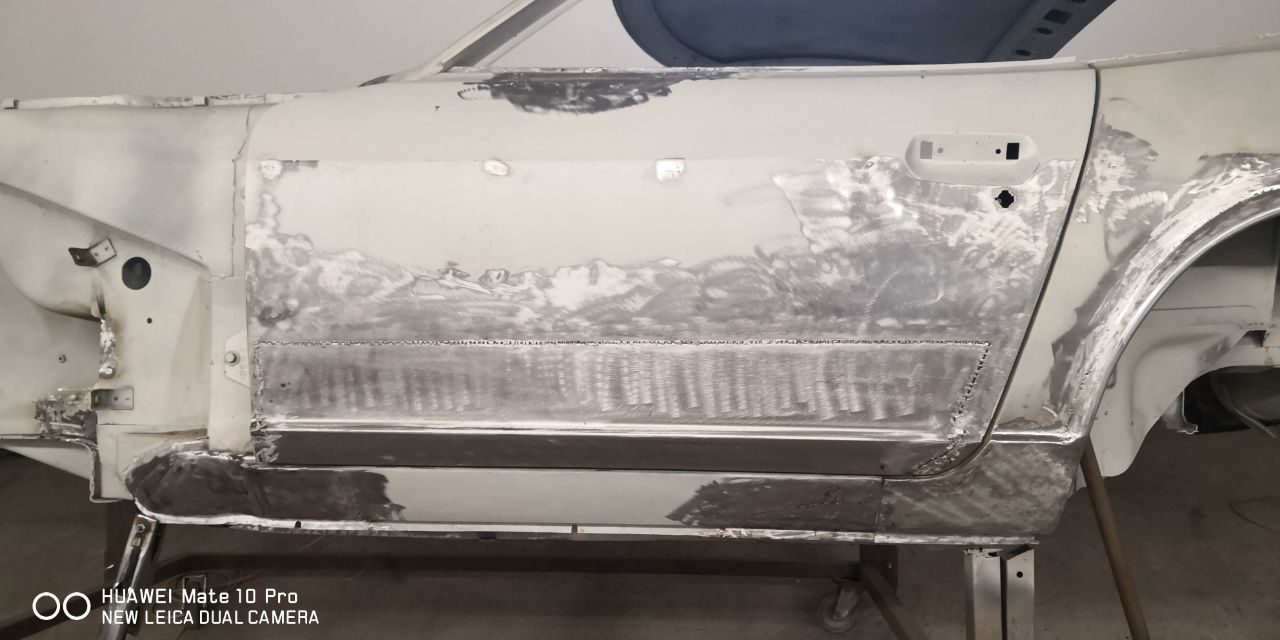
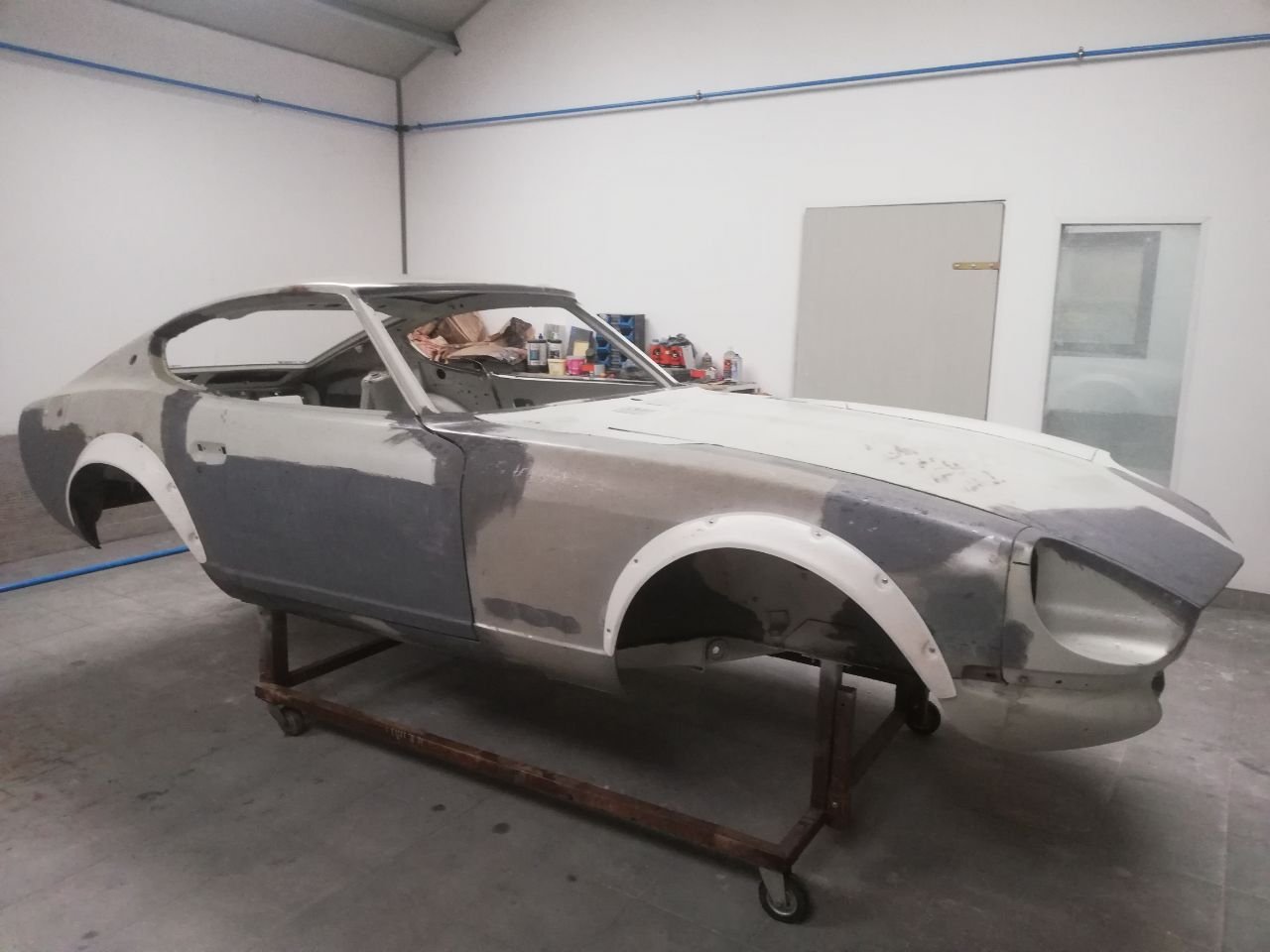
Because this car is destined to wear a widebody kit and run larger wheels, the rear arches were rolled and reworked in metal to give the tyres room to sit under the new arches cleanly. It is the first physical hint of the finished car's stance — the muscular widebody Z the whole project is building toward.
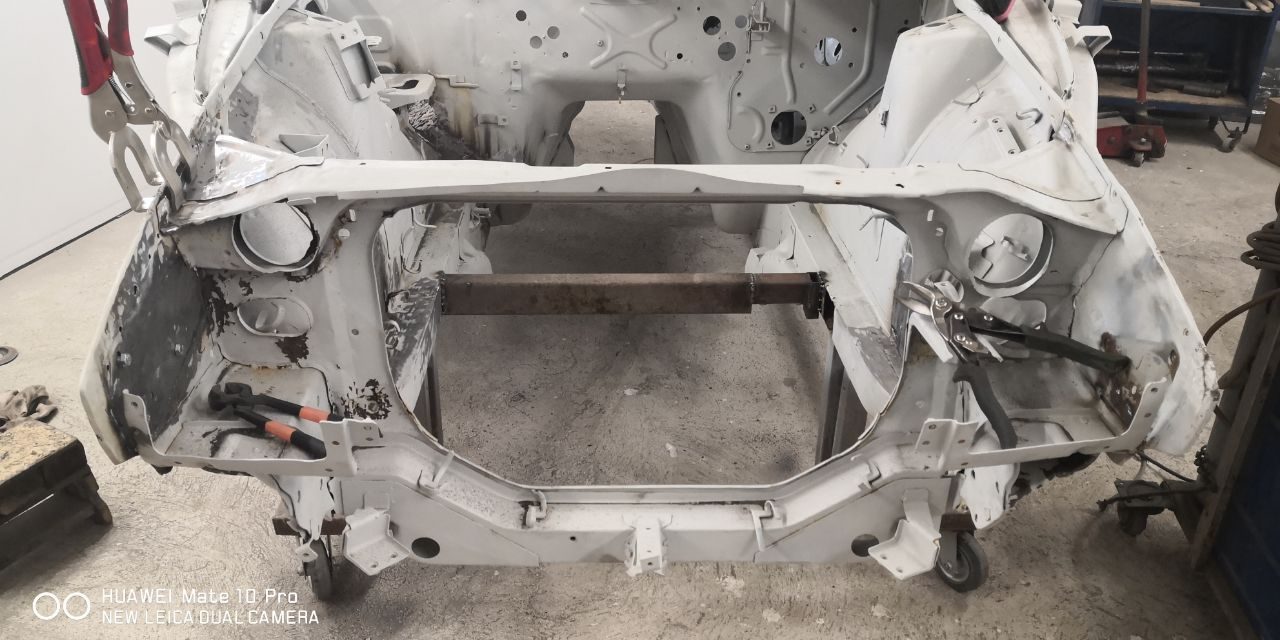
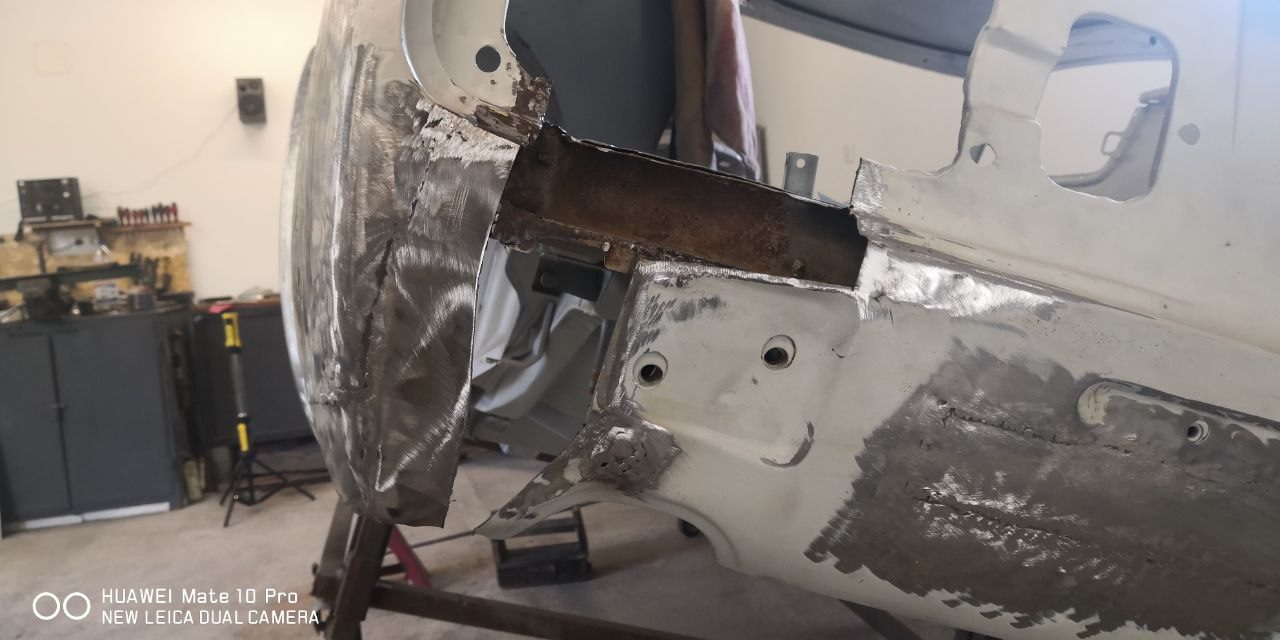
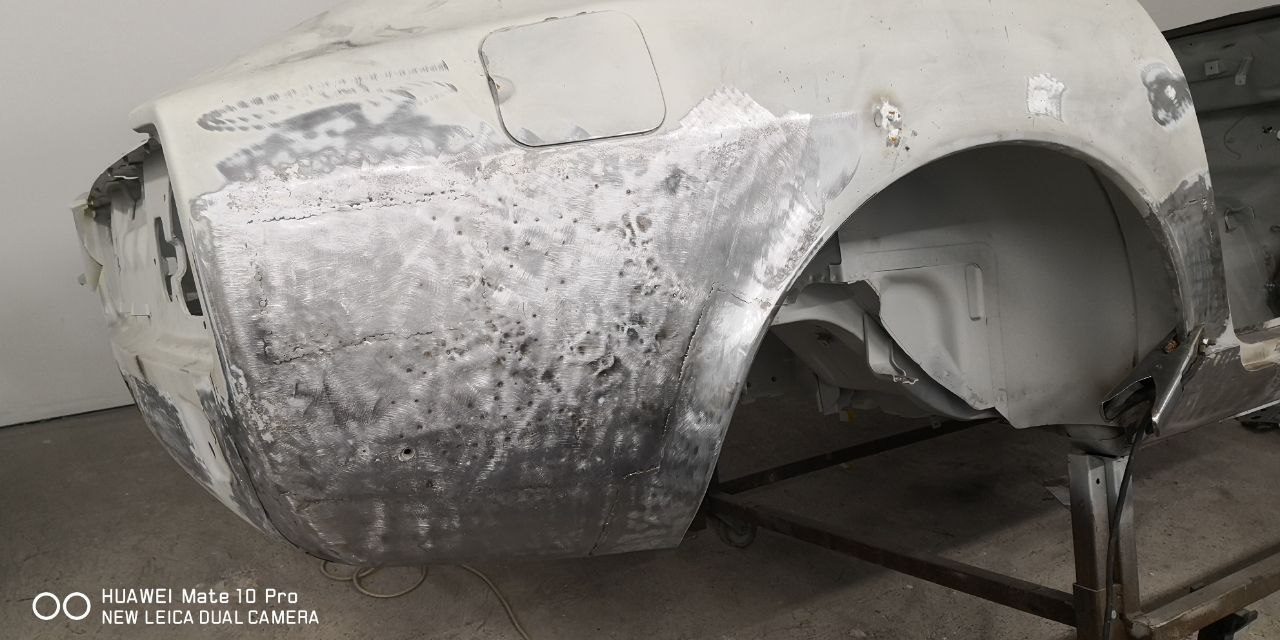
Every repair was checked against the car's factory geometry as it went, and the shell spent much of this stage on a rolling frame so it could be turned and worked from every angle. It is painstaking, unglamorous work — but it is what separates a car that merely looks restored from one that truly is.
- Almost no new panels exist for the 280Z — every original panel saved and repaired
- Floor pans replaced; rear quarters cut out and repaired in original metal
- Rockers opened, rust repaired inside, then closed and covered
- Lower door frames and rear valance restored, not replaced
- Hidden inner rust found and cut out — never covered over
- Chassis legs strengthened; front end fully de-rusted
- Rear arches rolled for the widebody kit and larger wheels
Bodywork & Off to the Painter
With the metalwork finished, the shell was sealed in epoxy primer to lock out moisture and protect every inch of fresh steel. But primer seals metal — it does not make a panel straight. That is the next craft: skim filler where needed, a guide coat over the top, and hours of blocking by hand until every reflection runs true and every shut-line is even. On a car destined for a dark, unforgiving finish, this stage is everything — because once the colour goes on, the bodywork underneath has nowhere to hide.
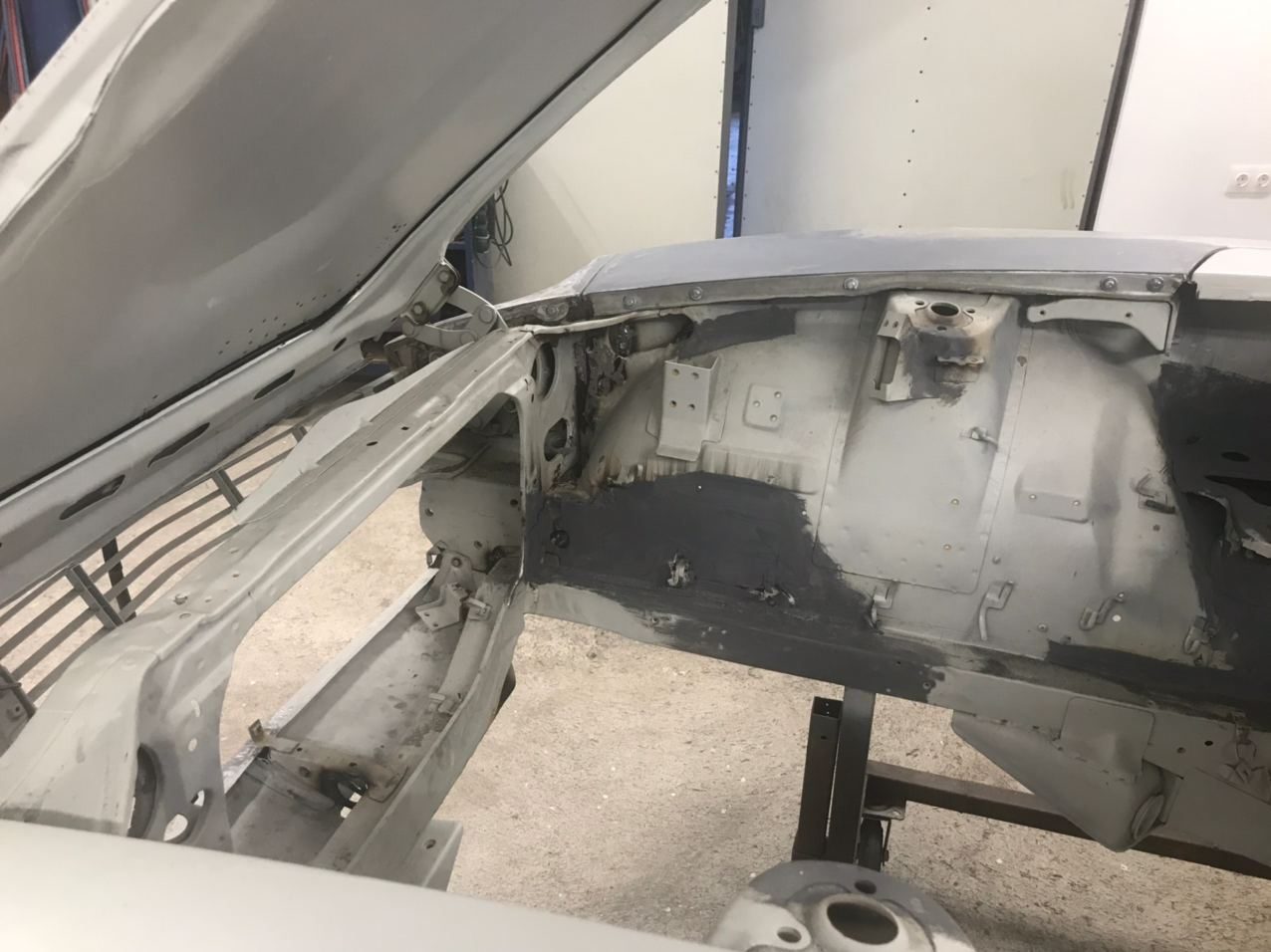
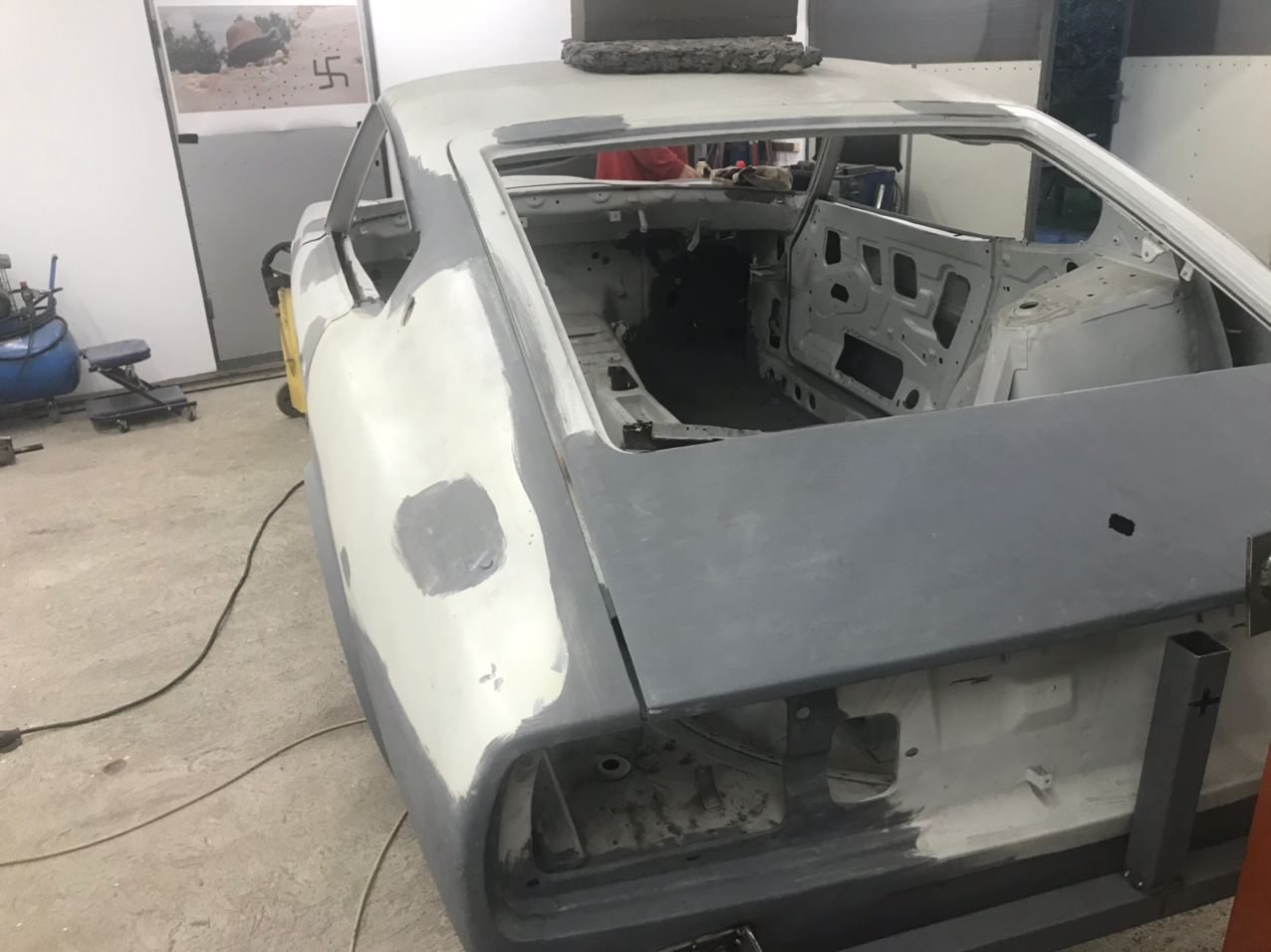
The darker patches across the shell are exactly that work in progress: filler and guide coat being knocked back, high spots and low spots chased out until the surface is perfect. And the prep runs right through the car, not just the outer skin — the engine bay and inner structure were brought to the same standard, so the finished 280Z will look as considered under the bonnet as it does along its flanks.
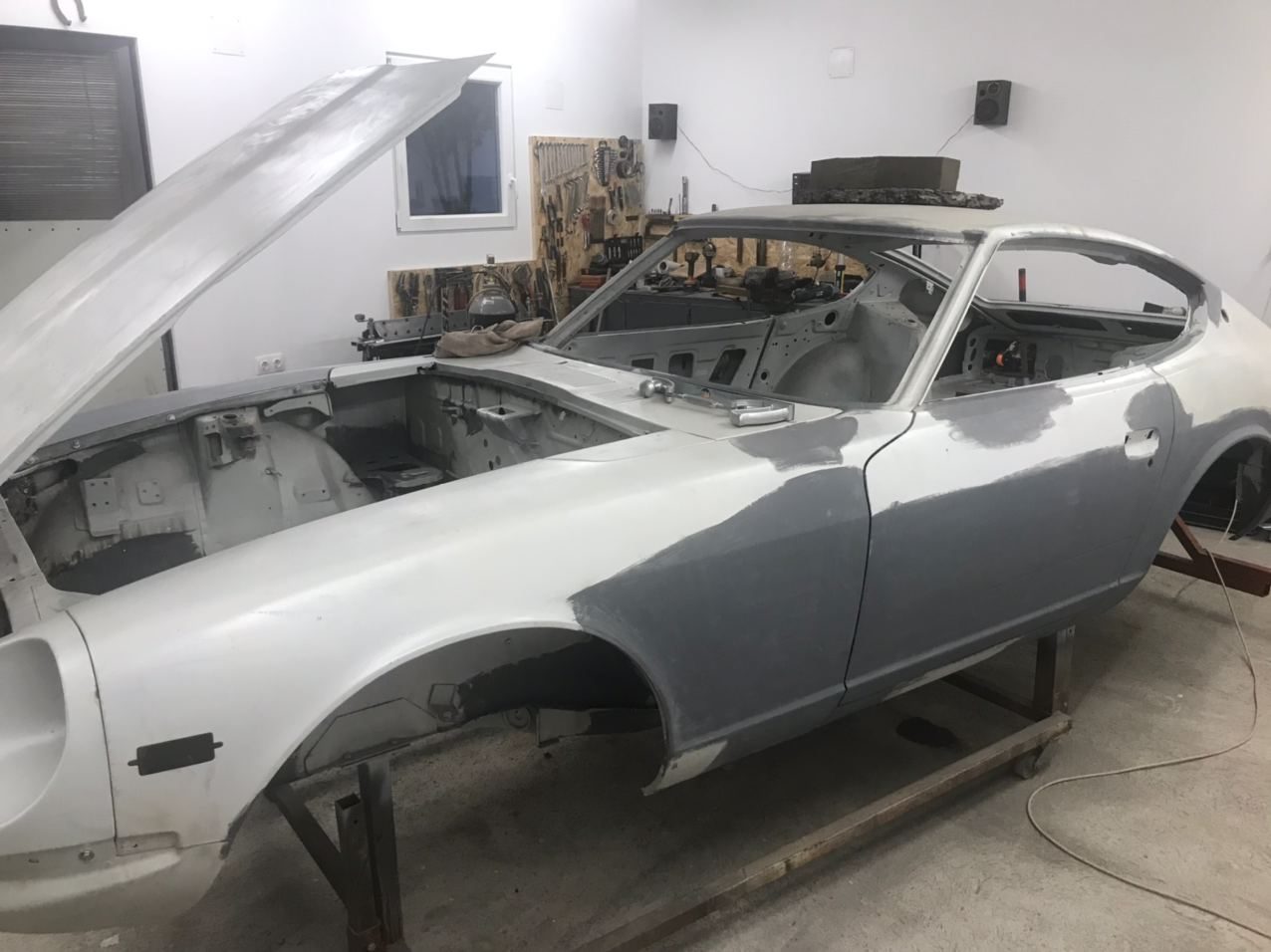
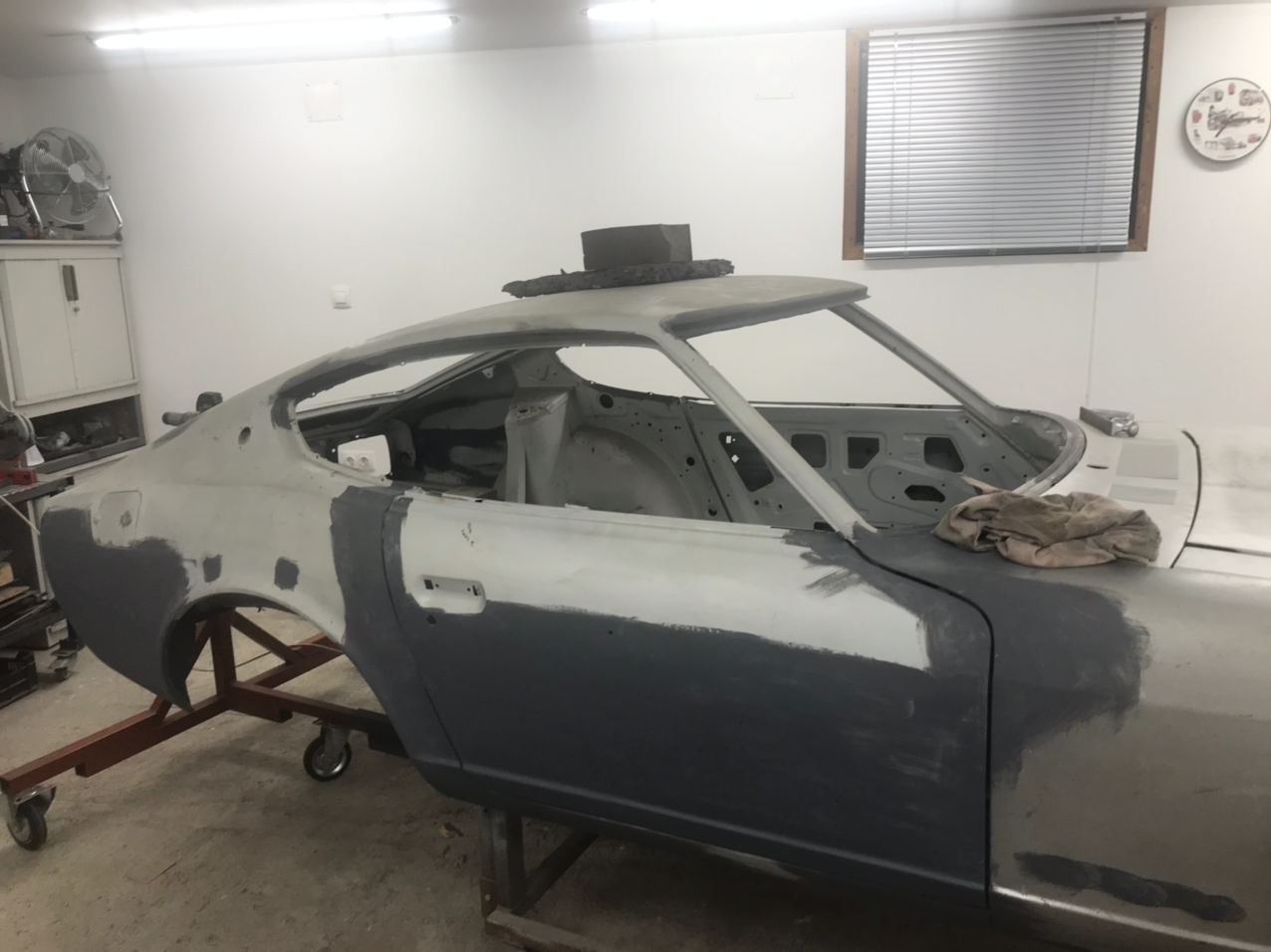
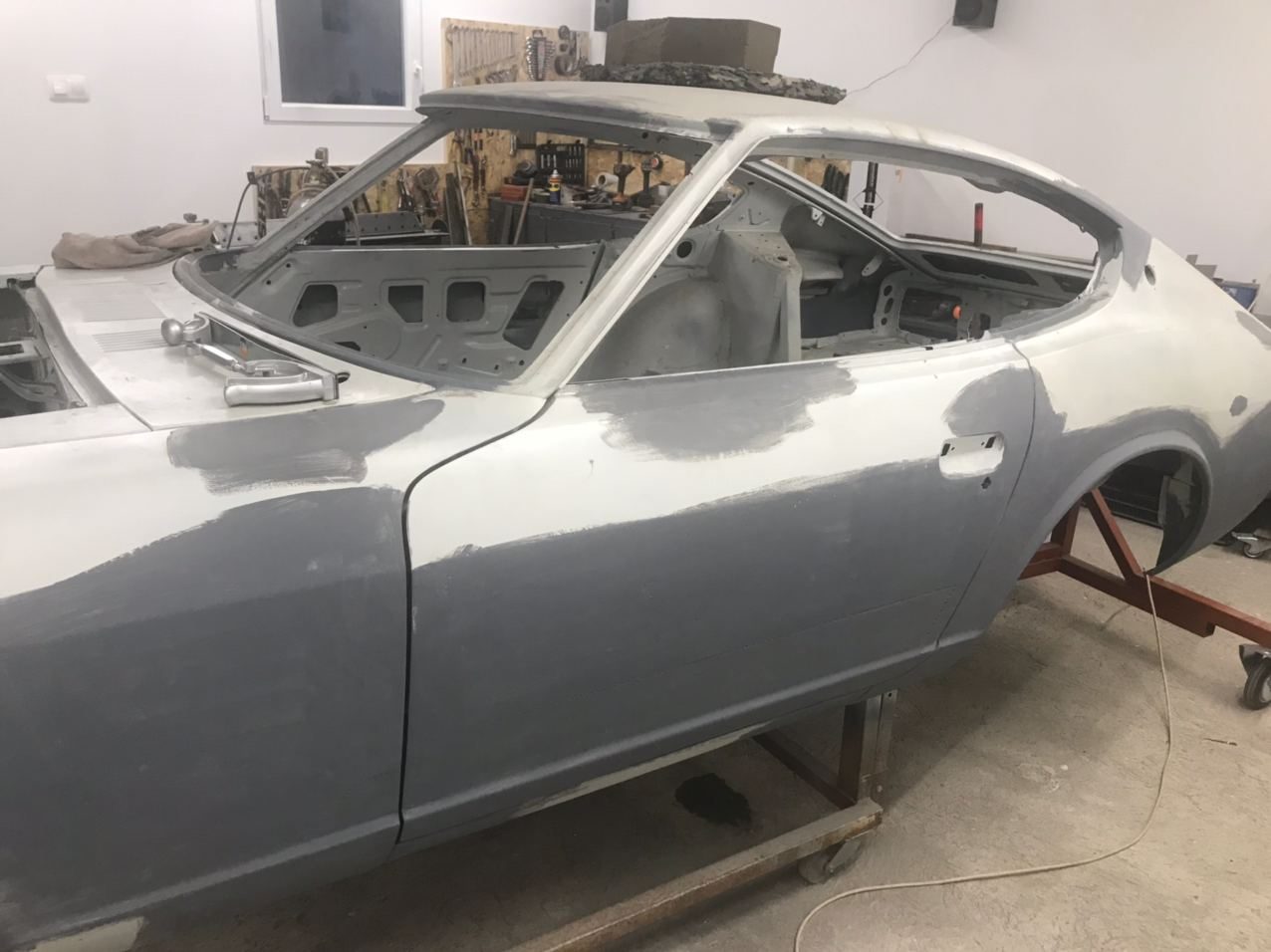
And with that, Part 1 of the build comes to a close. What arrived as a chalky, rust-bitten survivor from an Idaho barn now sits as a straight, sound, primed and blocked shell — every panel its own original metal, every repair honest, the widebody stance set. The next time we see it, it will be wearing colour. The 280Z is off to the painter.
- Shell sealed in epoxy primer to protect the fresh steel
- Filler and guide coat applied, then blocked straight by hand
- Engine bay and inner structure prepped to the same standard
- Shut-lines and panel gaps checked true — ready for the paint booth
Part 1 — What This Stage Covered
Frequently Asked Questions
Is a 1976 Datsun 280Z worth restoring?
Yes — when the car is fundamentally complete and the shell is sound, a Datsun 280Z restoration is well worth it. The S30 280Z is a genuinely sought-after classic, and values for well-restored cars continue to climb. A solid, complete survivor like this Idaho car is exactly the base that rewards a full restoration; how much original metal survives versus how much must be replaced decides the scope of the work.
How do you import a classic Datsun 280Z from the USA to Europe?
It ships by sea. This 280Z travelled from Idaho through the port of Los Angeles, across the Atlantic to Bremerhaven in Germany, then went by flatbed to the workshop. Importing a classic car from the USA to Europe is a routine, frictionless process when handled properly — the main steps are export clearance in the USA, sea freight, and customs and registration in the destination country. In Germany a restored car then needs TÜV approval before it is road-legal.
Why are Datsun 280Z cars so prone to rust?
The S30 body traps moisture in the floors, frame rails, battery tray, front fenders and rear wheel arches. Even a dry-climate car imported from the USA shows the classic bubbling ahead of the rear wheels. That is exactly why the shell is media blasted to bare metal — only then can the true extent of the rust be seen and an honest 280Z restoration planned.
Are replacement body panels available for the Datsun 280Z?
Very few. Almost no new reproduction panels are made for the 280Z, so a proper restoration saves and repairs every original panel — cutting out only the rust and letting fresh steel into the affected areas. Keeping the car's own metal is better for authenticity and for long-term value.
How long does a full Datsun 280Z restoration take?
A ground-up S30 restoration is measured in months, not weeks, because the honest work — strip-down, media blasting, cutting out rust and fabricating repair panels by hand, then bodywork and paint — cannot be rushed. This build documents each stage in the series, from the car's arrival in Europe through to the finished widebody 280Z.
Can a Datsun 280Z have a Nissan Skyline RB26 engine swap?
It can — but it is a serious undertaking, not a weekend job. Adding that much power to a 1970s chassis means a ground-up engineering approach: the chassis has to be redesigned and reinforced, and the suspension, brakes and driveline all upgraded and strengthened to cope. A restoration and build shop taking this on would treat the RB26 swap as a complete re-engineering of the car rather than a straight engine drop-in — done properly and never rushed, so the finished 280Z can actually handle and stop as well as it goes.
Follow the 280Z Build
The shell is blocked, primed and off to the paint booth. Next comes colour — the widebody 280Z's bespoke finish. Follow the series, or bring us your own classic Datsun project.
View The Full Series Talk To The Workshop